 IrisBG
Spotlight
Jess Evans
Nursery Manager, University of Exeter
In this edition of our Community Spotlight, we’re delighted to introduce Jess Evans, Nursery Manager at the University of Exeter (opens in a new tab). Jess oversees plant propagation and nursery operations across the university’s grounds, playing a key role in the care, planning, and development of the living collection.

Jess began her horticultural journey at age 18, working in a private garden in Devon (opens in a new tab). From there, she earned a trainee position at the Royal Botanic Gardens, Kew (opens in a new tab), and went on to complete the prestigious Kew Diploma in Horticulture.
Her career has spanned a wide range of gardens and roles—from Merton College at Oxford University (opens in a new tab) to working alongside Monty Don (opens in a new tab) at Longmeadow in Herefordshire. Jess went on to manage the gardens at the National Trust’s Tintinhull Garden in Somerset (opens in a new tab), where she was first introduced to IrisBG, and later served as Head Gardener at Knightshayes in Tiverton, Devon (opens in a new tab).
We’ve had the pleasure of meeting Jess at two training sessions in the UK and have been struck by her warmth, humility, and deep commitment to horticulture. We’re thrilled to share more about her story below—and we hope to see her again soon!
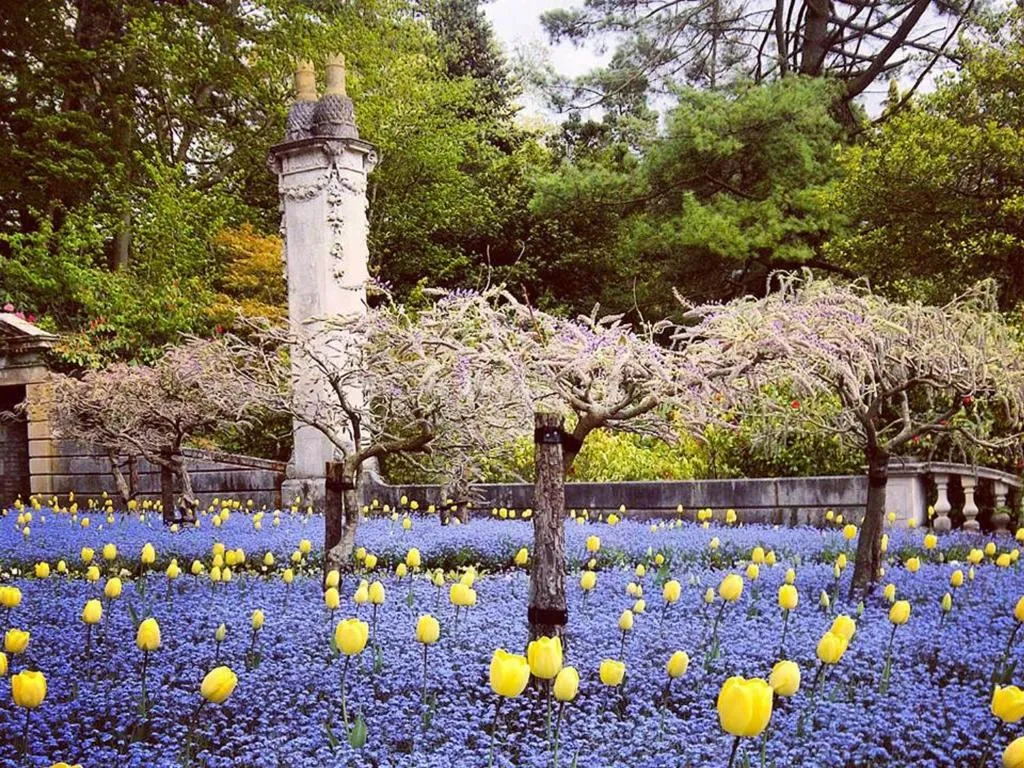
Image courtesy of the University of Exeter
Which garden tool or aid could you not live without?
When I was a student, I had to track down a left-handed cuttings knife—and I still use it to this day. I was first taught to propagate using a right-handed knife, but I ended up cutting straight into my thumb! I hadn’t even known left-handed knives existed until then.
Is there someone in the botany or horticulture world who inspires you?
I find inspiration in grassroots groups that establish small, low-tech nurseries focused on propagating and sharing their locally native flora. I’ve picked up valuable tips from a few of these organizations, and we’ve incorporated some of their methods into our work at Exeter.
Do you have a favorite IrisBG function?
In a previous role, I loved using the mapping feature (opens in a new tab) that displays plant origins across a world map. It was such a powerful way to visualize the journey of each plant—where it came from and how it ended up in the garden I was working in. While we don’t yet have international collection data for our current plants, I hope to explore this functionality again in the future.
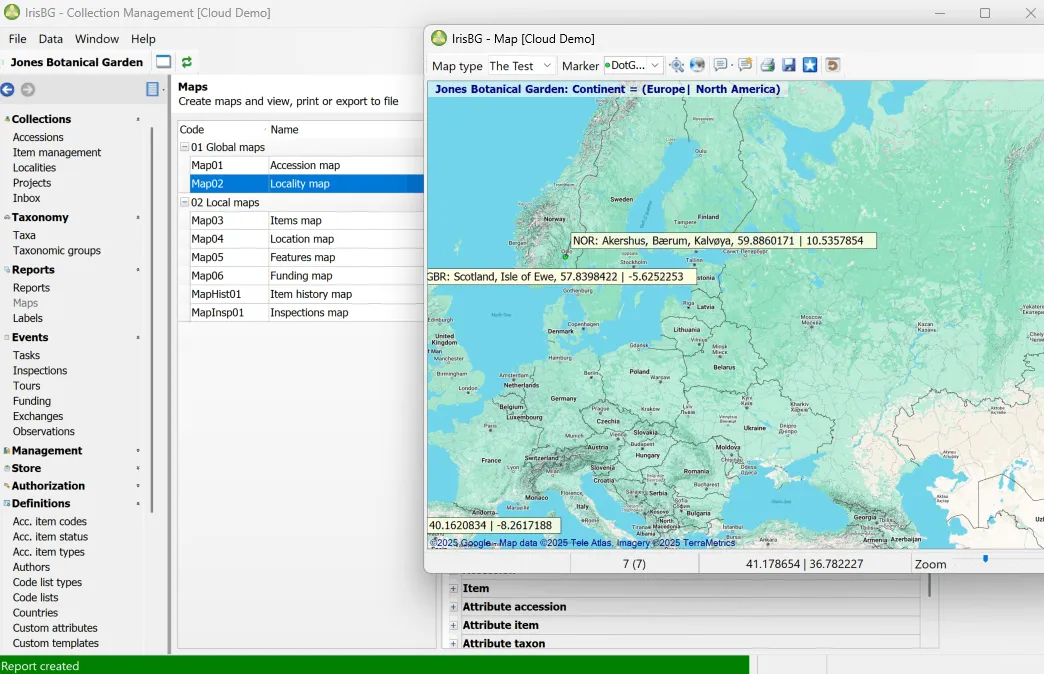
An IrisBG map report: Global Map | Locality map
Is there a horticultural experience that’s taught you a valuable lesson?
Lately, I’ve been learning more about veteran and ancient trees through the Ancient Tree Forum (opens in a new tab). Their conservation efforts bring together a fascinating range of horticultural and ecological disciplines—and it all unfolds over a very long timespan. It’s humbling and inspiring to think about stewardship on that kind of timeline.
“The Ancient Tree Forum (ATF) has pioneered the conservation of ancient trees for over 30 years, and is the only UK organisation focused solely on ancient and other veteran trees.”
Are there any exciting developments in plant collections at the University of Exeter?
Yes! We’re currently in the process of applying to become an accredited botanic garden. As part of that effort, we’ve been surveying and databasing our plant collection more accurately, which helps us manage it more effectively and plan for increased diversity.
From the University of Exeter’s Grounds and Gardens page, National Collection of Azara (opens in a new tab).
“The University holds the National Collection of Azara in co-operation with Plant Heritage who seek to conserve, document, promote and make available Britain and Ireland’s rich biodiversity of garden plants for the benefit of everyone through horticulture, education and science.”
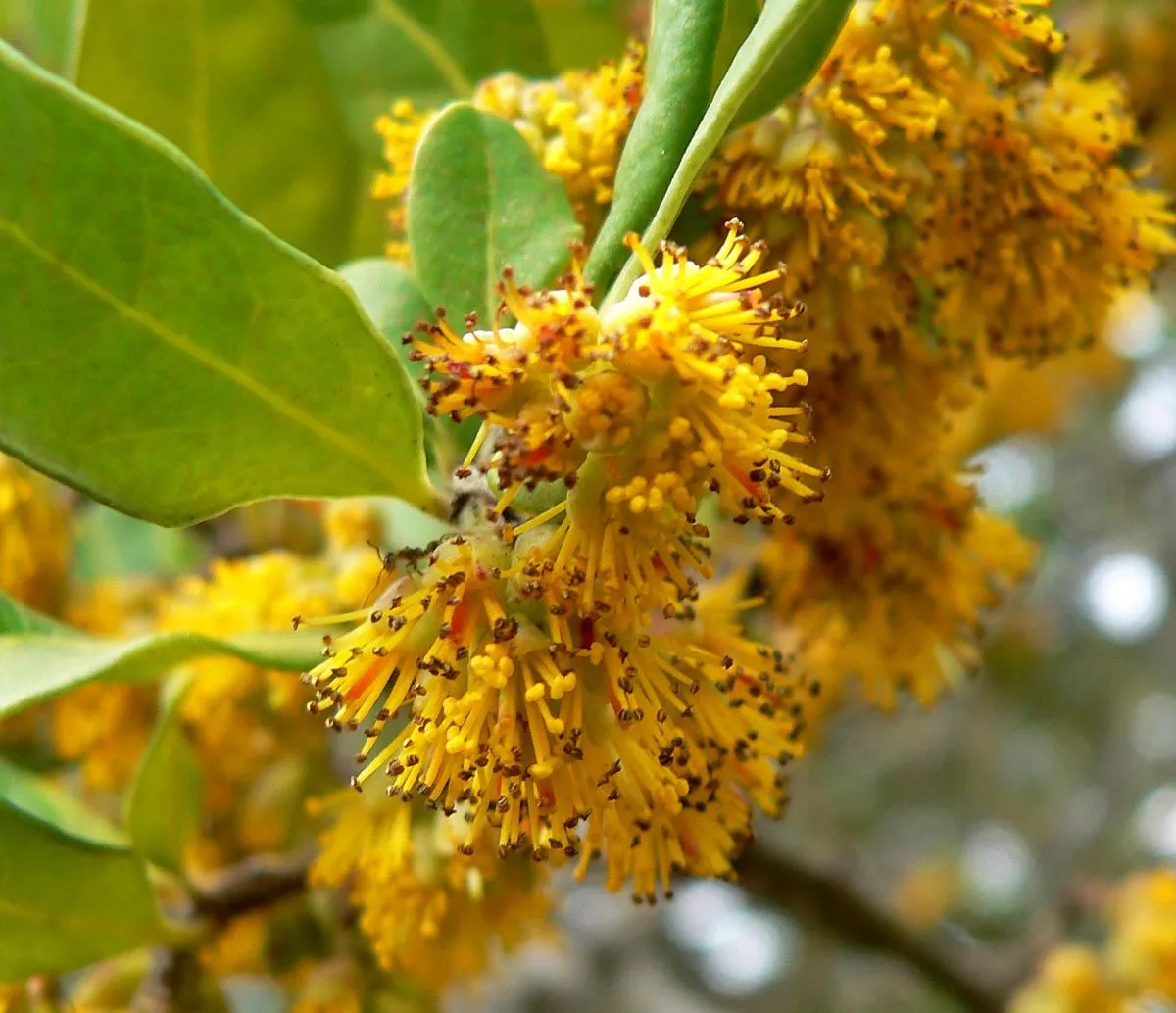
Azara petiolaris | Stan Shebs, CC BY-SA 3.0 https://creativecommons.org/licenses/by-sa/3.0 (opens in a new tab), Wikimedia Commons
We’ve also recently adopted the national collection of Dierama species and are working toward fully registering it as our second national collection.
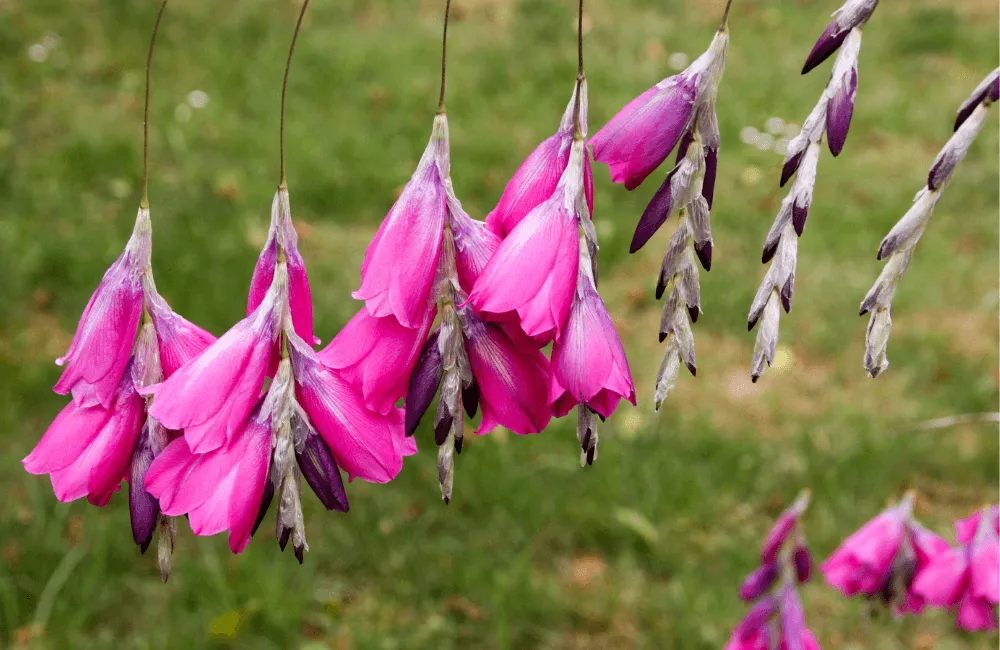
Dierama pulcherrimum
I am especially excited about the potential to become a free-to-enter botanic garden in the heart of the city—and to share that experience with the broader community of garden visitors and students alike.