 IrisBG
Coffee Chats
Combating the illegal trade of cacti and succulents
Michiel (Mich) Pillet , Prickly Prospects
- IUCN Species Survival Commission (SSC) Cactus & Succulent Plants Specialist Group
“Like works of fine art, certain plants are highly prized and sought-after in a growing black-market economy. The situation is dire in some cases, as more and more rare and endangered species get scrubbed from their native habitats and the botanical gardens that work to protect them.”
- Sandy Masuo, Botanical Content Specialist, The Huntington
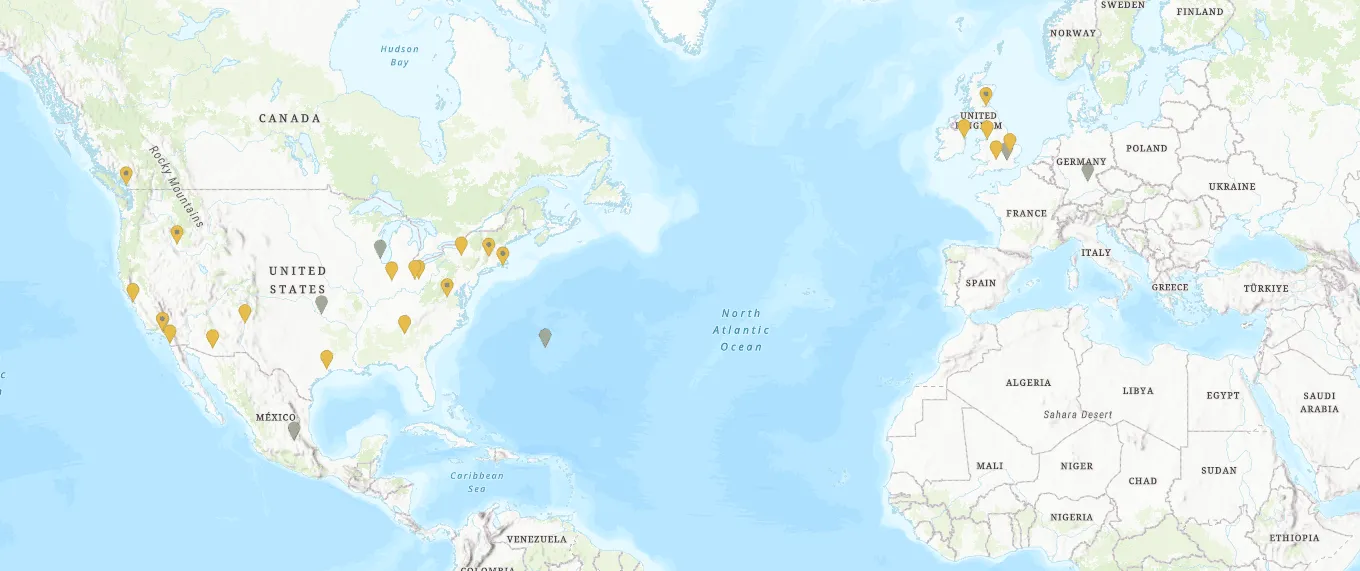
The map below shows the gardens and arboreta represented by those who registered for the Coffee Chat - home offices not taken into consideration.
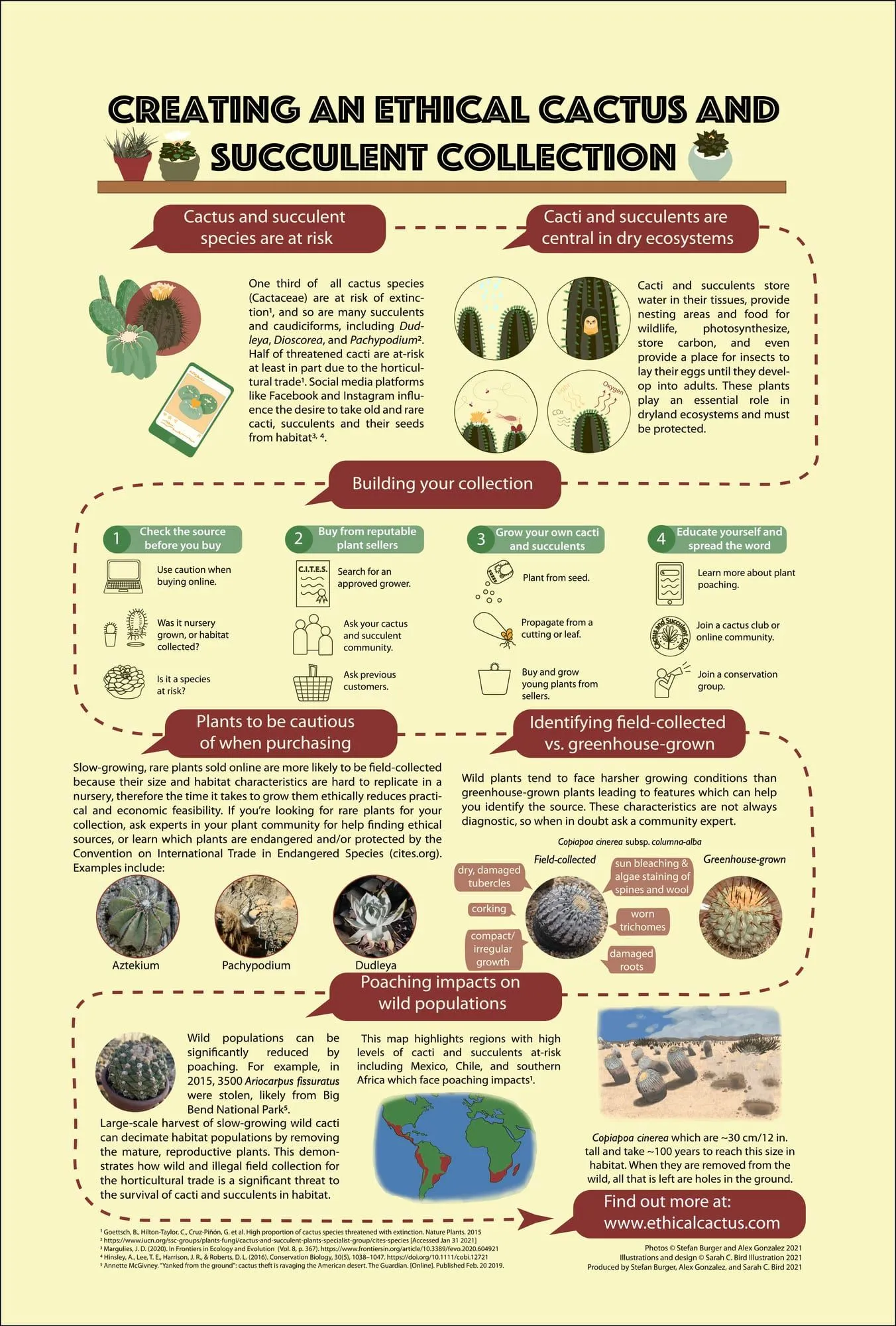
The cactus family, with nearly 2,000 taxa, is one of the planet’s most threatened groups of organisms. Major threats contributing to their decline include habitat destruction, climate change, and illegal trade.
Michiel (Mich) Pillet is our guest presenter for the November IrisBG Coffee Chat. He is the Program Officer for the IUCN Species Survival Commission (SSC) Cactus & Succulent Plants Specialist Group, and a doctoral candidate in the Department of Ecology and Evolutionary Biology at the University of Arizona. He also owns and operates the conservation-focused cactus nursery Prickly Prospects.
In our November Coffee Chat, Mich discusses his involvement with research, conservation, service, and collections work, including climate change impact research, contributing to IUCN Red List assessments, promoting ethics in the horticultural community, and building a conservation-focused nursery.
Recommendations for Botanical Gardens from Mich Pillet:
- Propagate rare plants and sell them to reduce poaching pressure
- Know where the plants are coming from that you buy
- Ask about provenance
- Add IUCN information to your plant labels
- Participate in metacollections to increase biodiversity
- Use plant societies to promote ethical sourcing of plants
- Don’t idolize field collected plants
- Encourage your horticulture clubs to strengthen their collections policies
o Report violations - Learn about the BGCI Illegal Plant Trade Campaign (opens in a new tab)
Q & A
Q. Does IrisBG plant to integrate the ICUN status automatically with the taxonomic verification?
A. Yes. This feature is planned for a future software update.
Q: What taxonomic platform do you use?
A: The Caryophyllales Network, a collaboration between institutions and a network of individual researchers studying Caryophyllales families or genera. The Instituto de Biología UNAM (México), the Instituto Darwinion (Argentina), and the Botanic Garden & Botanical Museum Berlin (Germany) are key partners and ensure the sustainability of this initiative. Caryophyllales.org (opens in a new tab)
Q. What should you do if you have donated plants in your existing collection that you suspect may have unethical origins?
A. Don’t display it in a way that creates public demand for the plant especially if it is one of great size. Propagate it and make the provenance known. Create public awareness about the illegal plant trade. See The Huntington’s Blog Post: https://huntington.org/verso/raising-awareness-about-illegal-plant-trade (opens in a new tab)
Downloads
- EthicalCactus JPG
