 IrisBG
Coffee Chats
Building Collaborations for Biocultural Collections
Kerry Dillon , Cornell Botanic Gardens
Cornell University is located on the traditional homelands of the Gayogo̱hó:nǫɁ (the Cayuga Nation).
In April, Kerry Dillon, Plant Record Specialist at Cornell Botanic Gardens in Ithaca, NY, joined us as our guest presenter. During this session, learned about the range of engagements Cornell Botanic Gardens has collaborated on with its local Indigenous community, the Haudenosaunee. Kerry shared how these partnerships have shaped the plant collections policy, garden programming, and interpretation. She demonstrated how Indigenous plant knowledge is being shared via IrisBG’s Garden Explorer, resulting in mutually relevant and meaningful living collections.
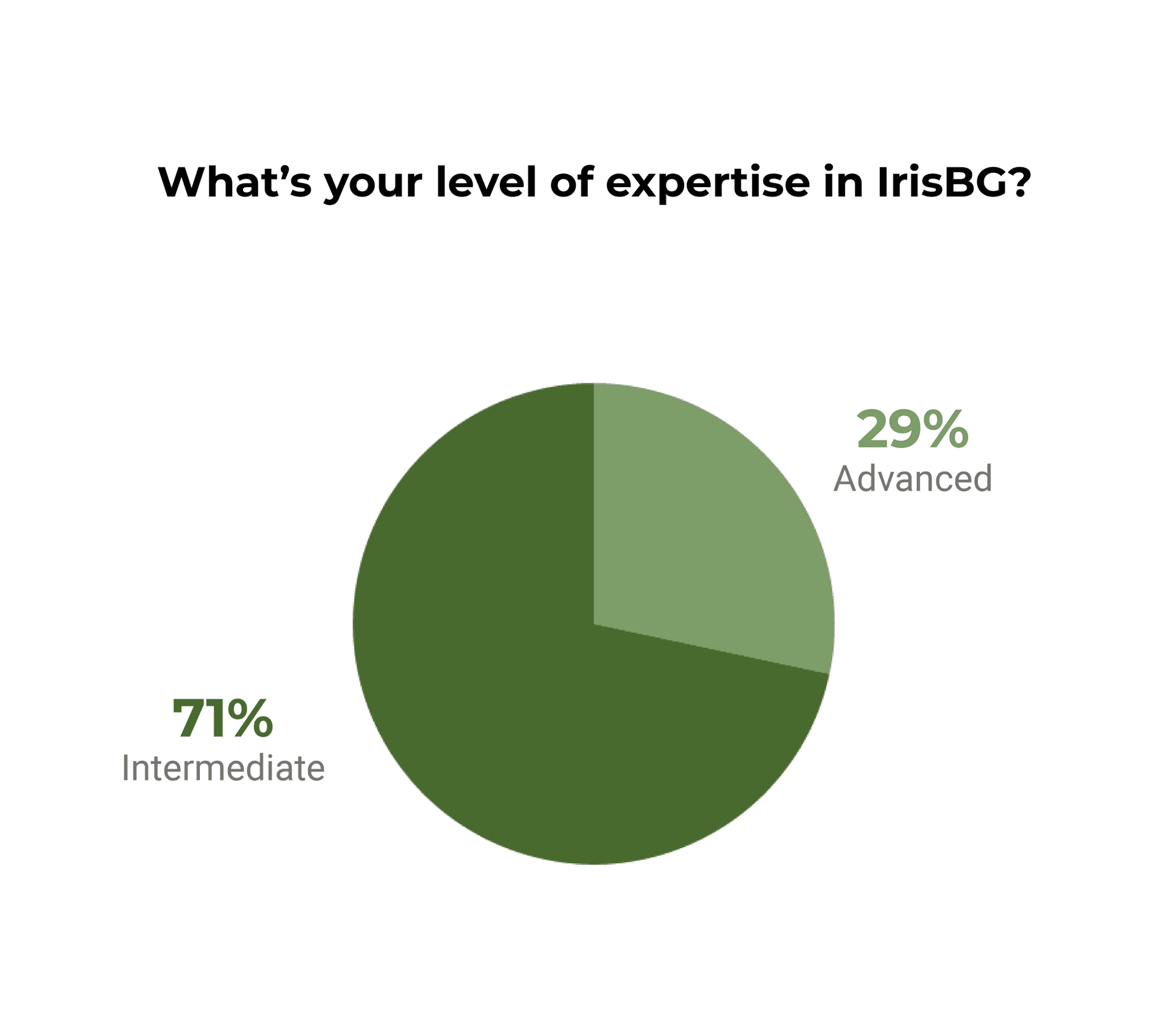
The map below shows the gardens and arboreta represented by those who registered for the Coffee Chat - home offices not taken into consideration.
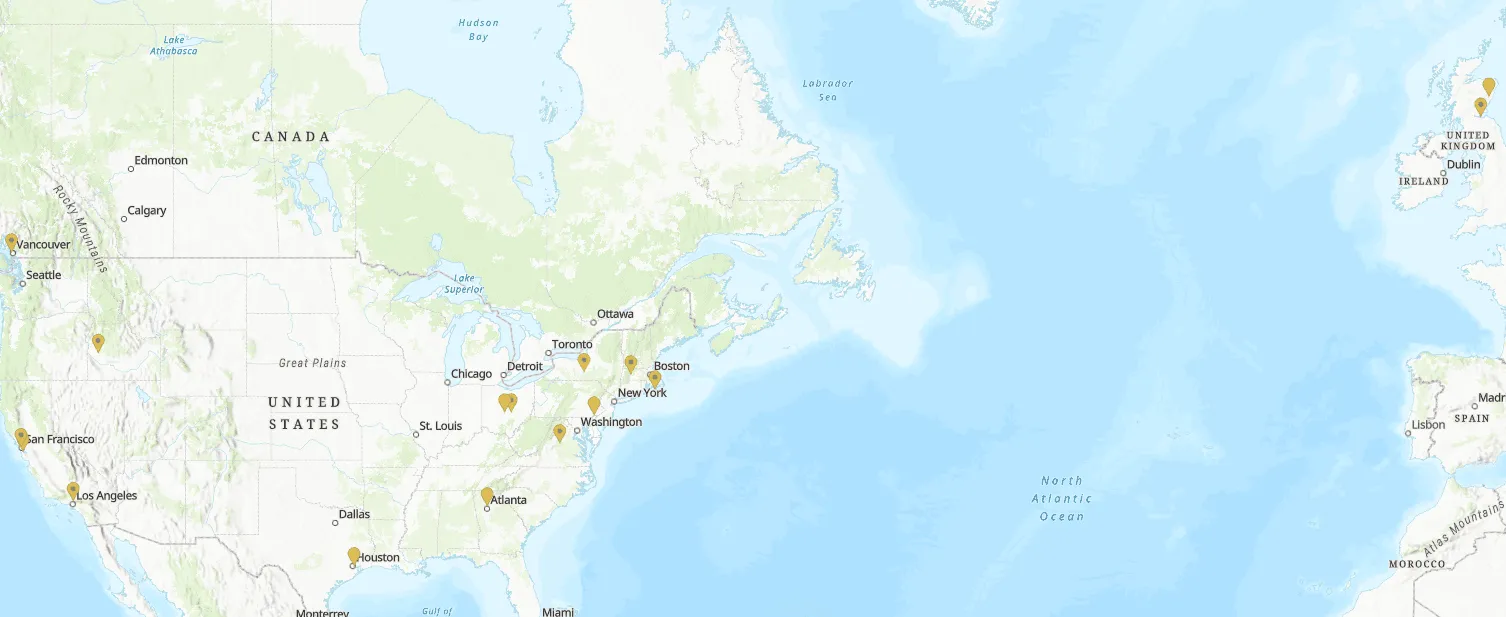
A few slides from Kerry’s Presentation:
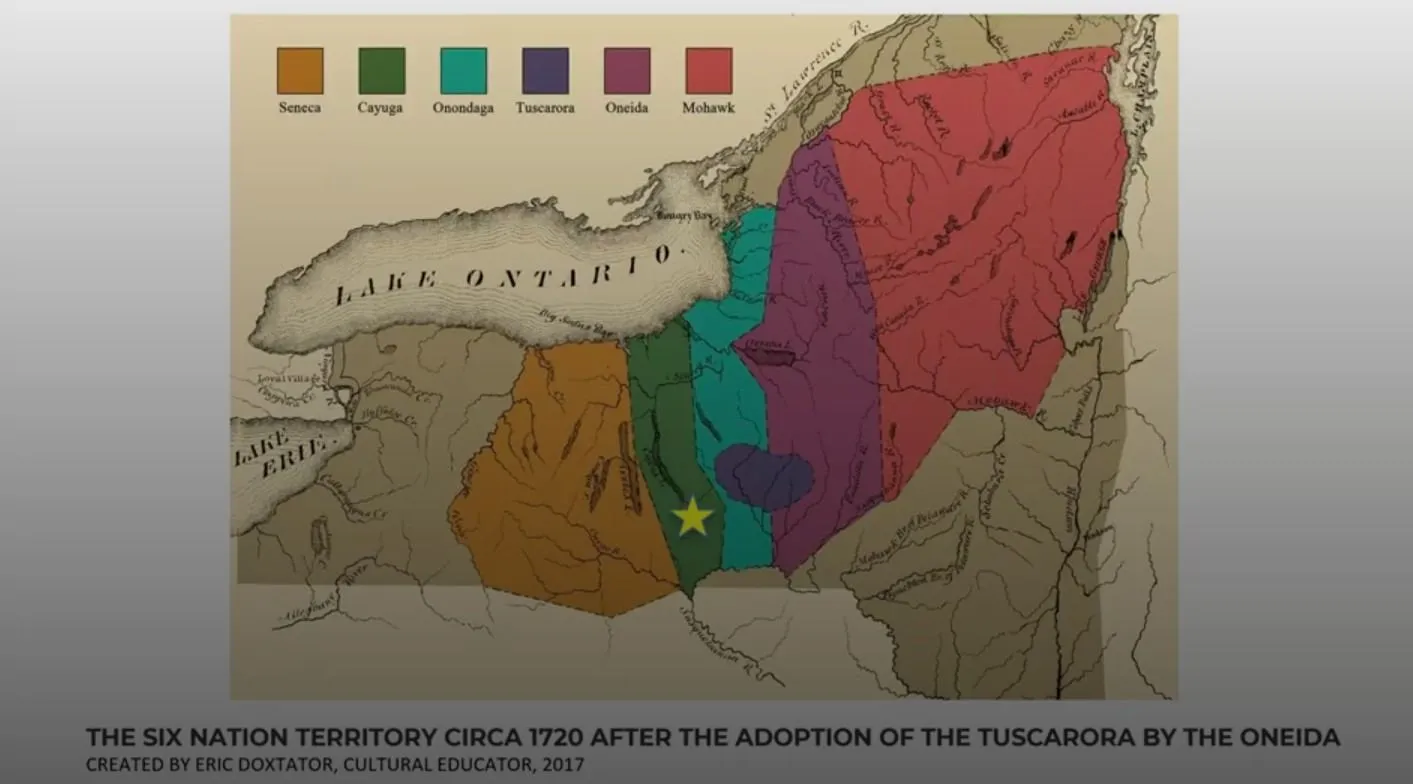
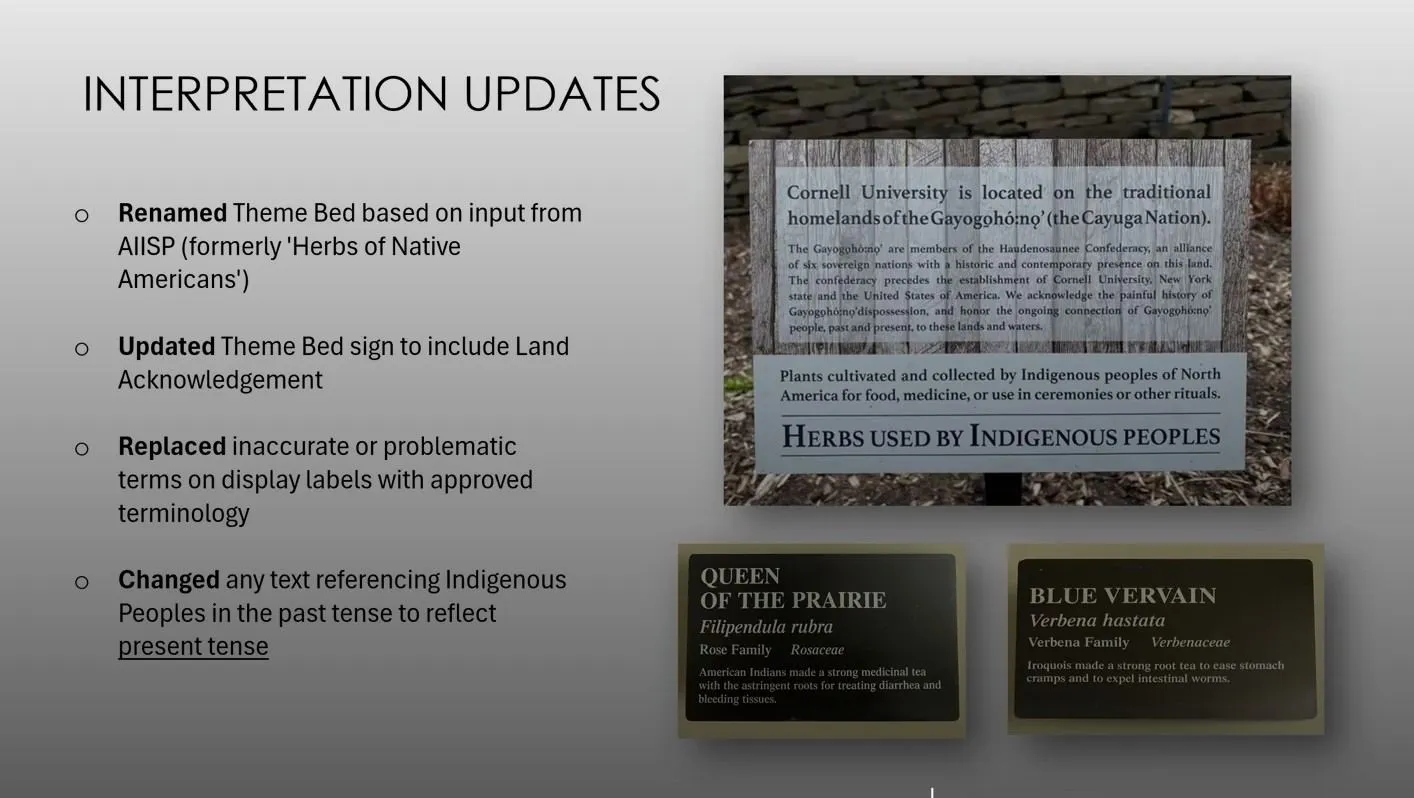
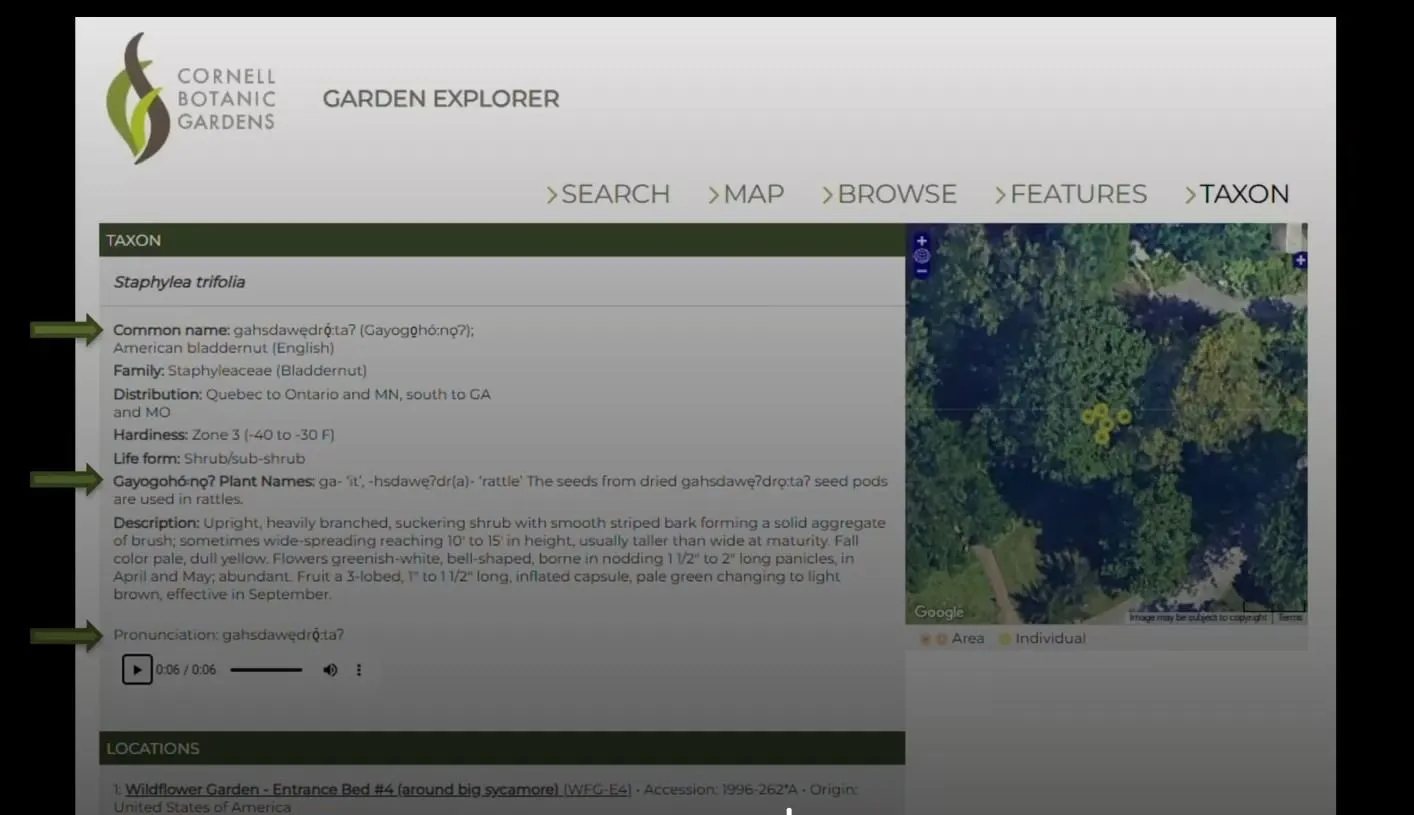
Link to Cornell Botanic Gardens’ Garden Explorer with this example (opens in a new tab).
Resources mentioned in the presentation:
- The Gayogo̱hó:nǫˀ Learning Project (opens in a new tab)
- Biocultural Conservation at Cornel Botanic Gardens (opens in a new tab)
- Verdant Views: Growing Vegetables and Connections (opens in a new tab)
Q&A
Q: Where do you save the audio file for the Garden Explorer?
A: Here is an article with that information in the Knowledge Library: More on Tours (opens in a new tab)
Q: Is there a resource available for the Potentially Problematic Plant Names?
A: Potentially Problematic Common Names in North American Public Gardens (opens in a new tab) document is available.
Q: Have you heard about Drexel University’s Academy of Natural Sciences exhibit “Botany of Nations”?
It will open in 2026. Learn more about it at this website. (opens in a new tab)
“Reshaping the historic tale of Lewis & Clark through Indigenous perspectives, collaborative exhibition to inspire civic dialogue and elevate Indigenous scientific practices through plant specimens hand-collected on the renowned journey”
Q: Where can gardens continue this discussion?
A: Feel free to reach out to us directly to continue this discussion with other gardens interested in biocultural collections!