 IrisBG
APGA 2026 | Industry Insights: Conservation Action Starts with Plant Records
By IrisBG Team
- conference
- apga
- plant-records
- conservation
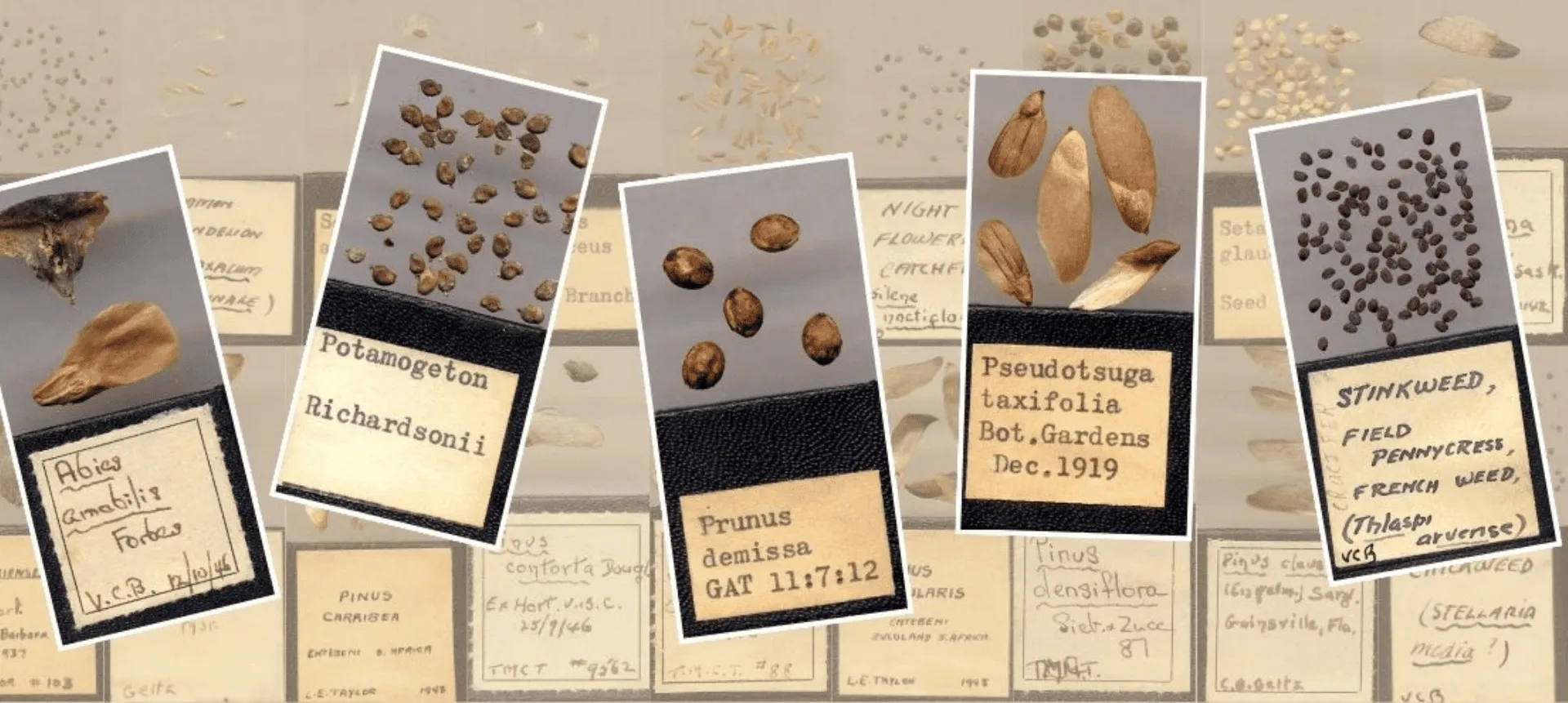

Session Overview
A recent study published in Nature Ecology & Evolution, Insights from a Century of Data Reveal Global Trends in Ex Situ Living Plant Collections (opens in a new tab), is prompting important conversations about the future role of living collections in conservation.
But what do these findings mean for the day-to-day work of public gardens?
This APGA 2026 Industry Insight session explores how gardens are interpreting the research and applying it in practice. Through discussion with researchers and practitioners, the session examines topics such as conservation value, genetic diversity, collection gaps, and the growing importance of well-documented plant records.
Strong plant records help gardens move from simply maintaining collections to actively supporting conservation outcomes. This resource page was created to support continued learning and provide additional context, terminology, and references related to the discussion.
- * *
Key Term Definitions
- Accession
A plant, or group of plants, entered into a collection with a unique identifier that links it to documented information such as origin, date acquired, and collection history.
- Conservation value
The importance of a plant or collection in supporting biodiversity conservation, research, education, restoration, or the long-term survival of species and genetic diversity.
- Data standardization
The use of consistent formats, terminology, and recording practices so plant records can be accurately shared, compared, and used across institutions and systems.
- Gap analysis
A process used to identify missing species, populations, geographic regions, or genetic representation within a living collection or conservation program.
- Genetic diversity
The range of genetic variation within a species or population, which helps support resilience, adaptation, and long-term survival.
- Ex situ conservation
The conservation of plants outside their natural habitats, such as in botanic gardens, seed banks, tissue culture collections, or research institutions.
- In situ conservation
The conservation of plants within their natural habitats and ecosystems, where species continue to evolve and interact with their environment.
- Living collections
Documented collections of living plants maintained for purposes such as conservation, research, education, display, or horticulture.
- Meta-collection
A coordinated network of collections managed across multiple institutions that collectively support conservation goals, genetic diversity, and long-term preservation.
- Provenance
The documented origin or source history of a plant or plant material, including where and how it was collected or obtained.
- Voucher specimen
A preserved plant specimen, typically stored in a herbarium, that serves as a permanent physical reference supporting the identity and documentation of a plant collection or observation.
- * *
Featured Resources
Living Collections Policies & Management Frameworks
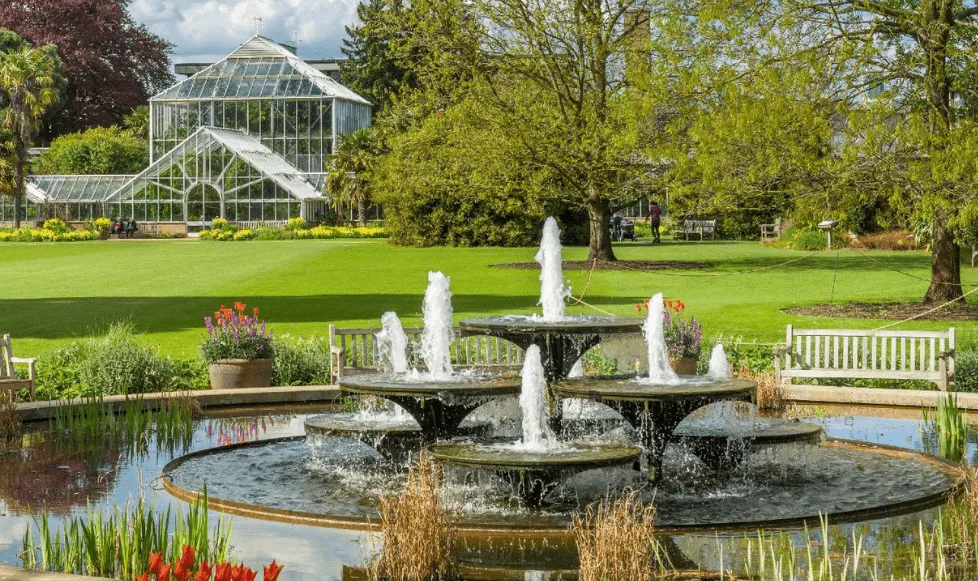
Cambridge University Botanic Garden
- Royal Botanic Garden Edinburgh
- Cambridge University
- The Morton Arboretum
- Arnold Arboretum of Harvard University
- IrisBG Coffee Chat on Living Collections Policy with Lewis Ginter Botanical Garden
- * *
Additional References
Relevant Botanic Gardens Conservation International (BGCI) resources
-
PlantSearch Database (opens in a new tab): BGCI’s global database of living plant collections, used to identify where species are held in cultivation and support conservation planning, collaboration, and gap analysis.

-
Toward the Metacollection (opens in a new tab): Explores how distributed collections across institutions can function collectively as a coordinated conservation resource rather than isolated holdings.
-
Building Living Plant Collections to Support Conservation (opens in a new tab): A practical guide for botanic gardens developing conservation-focused living collections, including topics such as provenance, genetic diversity, collection planning, and recordkeeping.
Plant Records & Biodiversity Standards
- Darwin Core Standard (TDWG) (opens in a new tab): An internationally recognized biodiversity data standard used to support consistent sharing and exchange of species and collection data.
- International Transfer Format for Botanic Garden Plant Records (ITF2) (opens in a new tab): A standardized format developed for sharing plant records between botanic gardens and collection management systems.
- IUCN Red List of Threatened Species (opens in a new tab): The global standard for assessing species conservation status and extinction risk.
- Global Strategy for Plant Conservation (Convention on Biological Diversity) (opens in a new tab): An international framework guiding plant conservation priorities, targets, and collaboration efforts worldwide.
- * *
Practical Takeaways
How to take action
- Align collections with institutional conservation goals
- Standardize plant records workflows
- Improve accession accuracy
- Track provenance data
- Assess conservation value within collections
- Share collection data externally
- * *
Panelist names and institutional affiliations
Moderator

Katrina Lewin (opens in a new tab) | Plant Records Coordinator, The Morton Arboretum (opens in a new tab).
Katrina is focused on plant records management, collections documentation, and collaborative approaches to living collections stewardship.
Panelists

Adam Graves (opens in a new tab) | Director of Horticulture | San Diego Zoo & Wildlife Alliance (opens in a new tab).
Adam Graves is the Director of Horticulture at the San Diego Zoo. He manages the horticulture department, the browse program, and the arborist team. He received his M.A. in Biology from Miami University, a B.S. in Biology from UCSD and is a Master Arborist with the International Society of Arborists.

Dr. Adriana Lopez-Villalobos (opens in a new tab) | Research & Biodiversity Informatics Manager, University of British Columbia Botanical Garden (opens in a new tab)
Adriana bridges plant collections and biodiversity research, managing the Plant Records team and supporting research initiatives across the Garden. She focuses on plant collections data, biodiversity informatics, and conservation analysis.

Dr. Hannah Wilson (opens in a new tab) | Royal Botanic Garden Edinburgh (opens in a new tab) & ICCP (International Conifer Conservation Programme) (opens in a new tab).
Hannah leads conservation efforts focused on threatened conifers and international collaborative conservation networks through the International Conifer Conservation Programme.
Stay Connected
Continue the conversation beyond APGA by joining the IrisBG community.
Sign up for the IrisBG newsletter to receive updates on Coffee Chats, learning resources, community stories, and practical ideas for plant records and living collections management.