 IrisBG
New Horizons | Reflections from the APGA 2023 Annual Conference
By IrisBG Team
- conference
- apga
- conservation
IrisBG had the privilege to sponsor and attend the 2023 American Public Gardens Association Conference. It was an inspiring conference and also a great time connecting with the IrisBG Community. The American Public Gardens Association Conference: New Horizons Rising from the Roots (opens in a new tab) was held in Fort Worth, TX from June 5th to 8th.
Thank you, themes, and resources | Plant Curation & Conservation Track | Photos
Thank you, themes, and resources
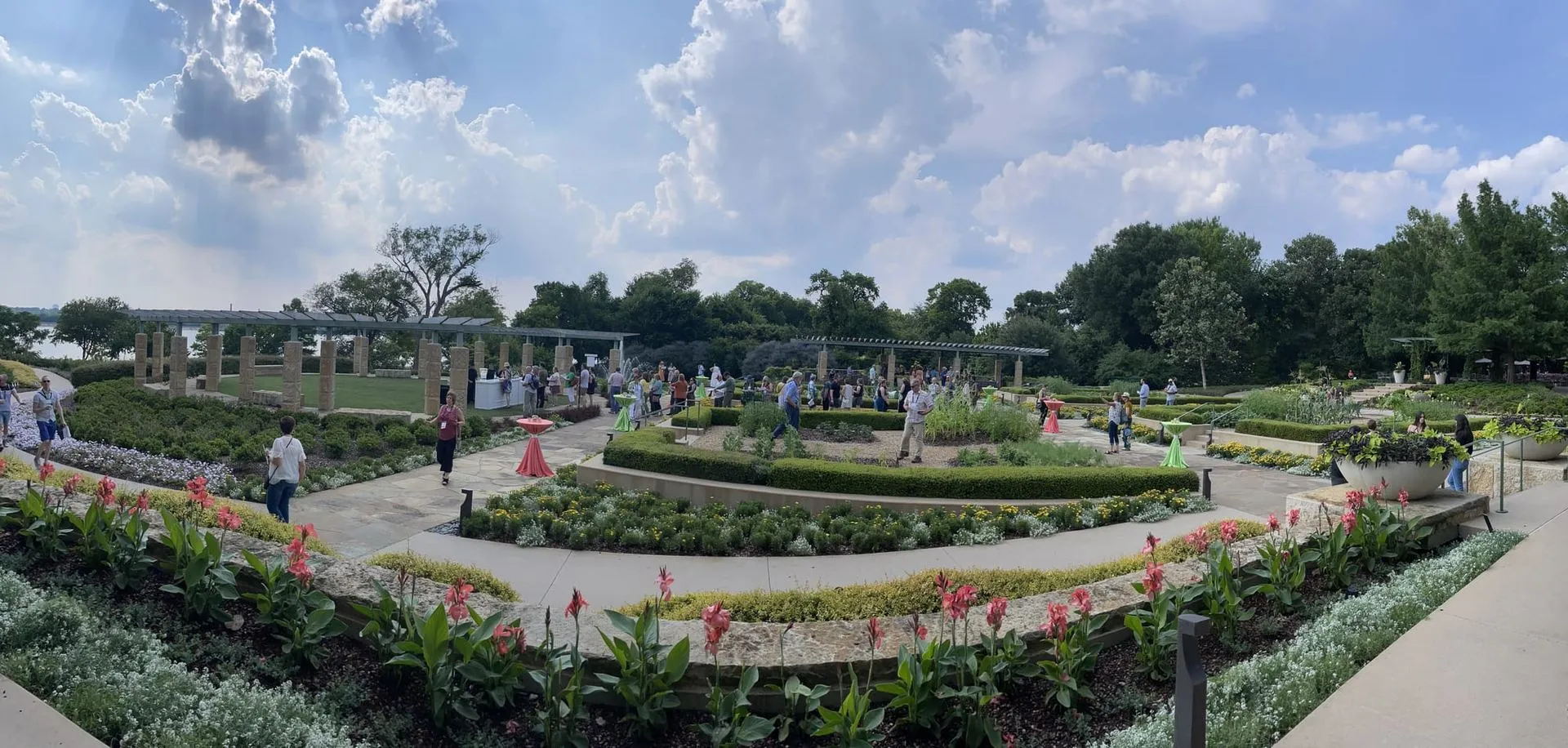
A Tasteful Place @ The Dallas Arboretum
Thank you to all staff, the program selection committee, speakers, and host gardens who shared the important work that they are doing. The energy and care spent in managing and planning this event made for a thought-provoking and well-rounded conference.
There were so many great discussions about climate destabilization and what gardens can practically do to help educate the public. Below, we list two guides: one for checking taxa in your collections against a changing climate model, and another best practice guide for preserving biologic diversity of plant species in the wild.
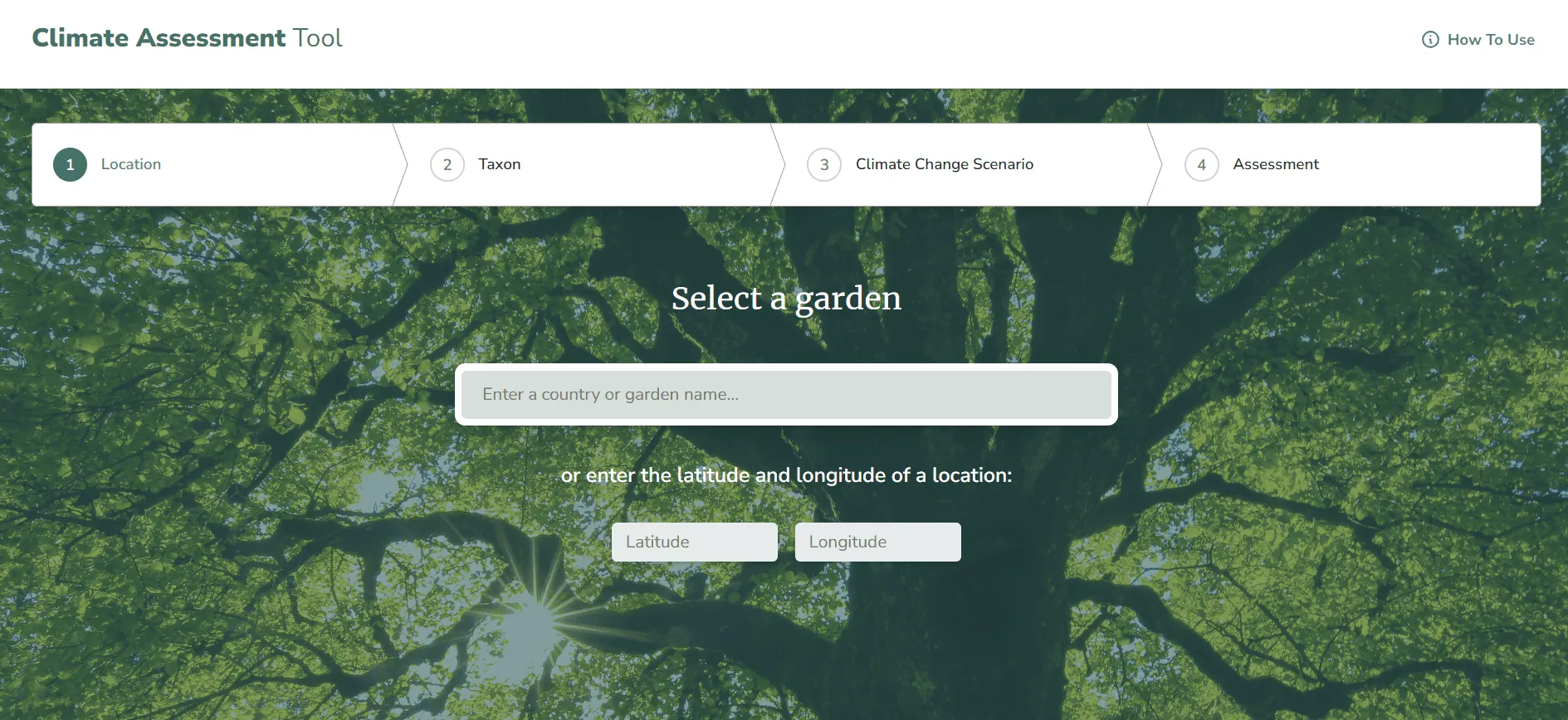
BGCI (Botanical Gardens Conservation International) Climate Assessment Tool
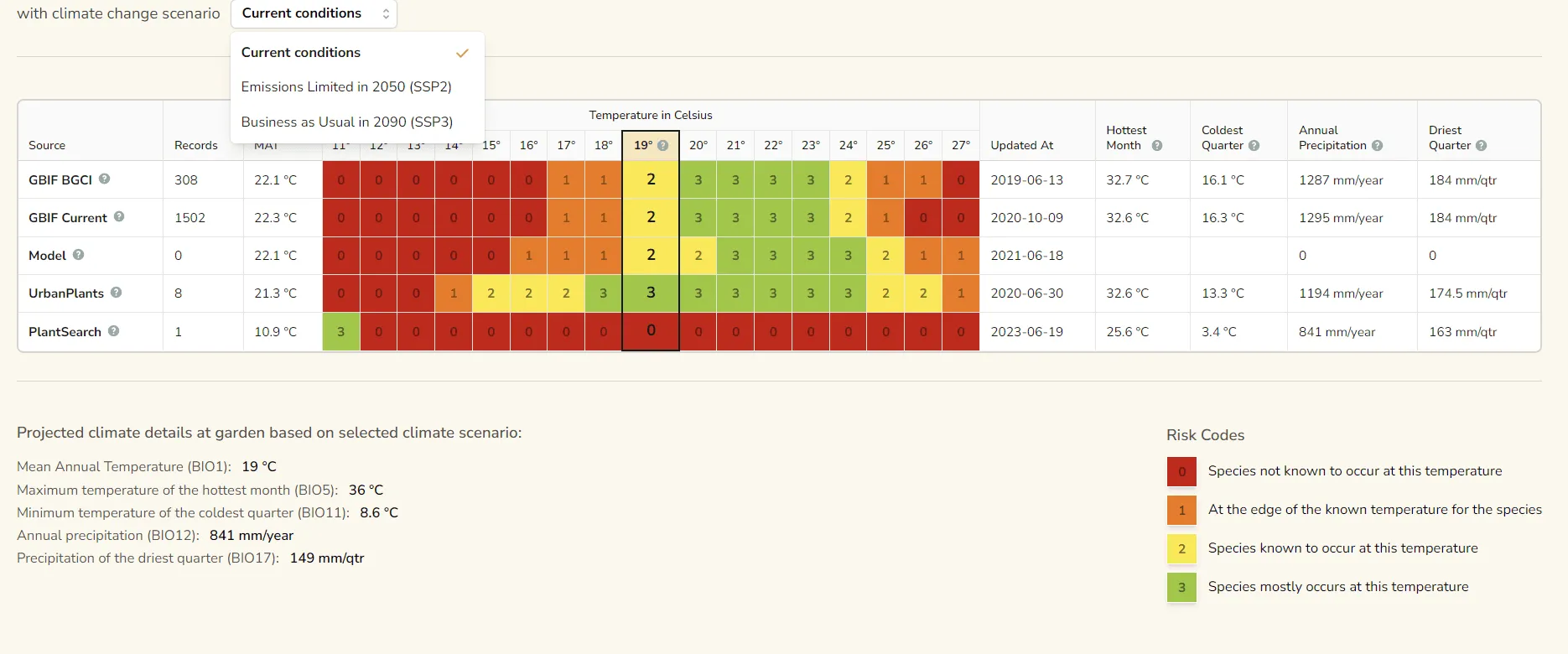
The Climate Assessment Tool (CAT) (opens in a new tab) provides guidance on the likely suitability of taxa to the predicted future climate scenarios of a selected location. It achieves this by taking datasets of current known occurrences of taxa – such as those observed in the wild, in botanic gardens, and in general cultivation – and compares the current climate of these known occurrences to the predicted climate. By comparing the two climates, a suitability score can be generated.
It is this predictive modelling which supports informed decision-making on selection or evaluating plants for our living plant collections and landscapes.
Center for Plant Conservation (CPC) Resources
Two in five plant species are at risk of extinction worldwide. Growing concerns for the loss of plant genetic diversity and species’ extinctions, as well as advancing know-how to make successful conservation collections, motivates CPC network scientists to collect seeds from wild populations and bank them.
Download their Best Conservation Practices Guide to Support Species Survival in the Wild
Plant Curation & Conservation Track
One of the best things about attending conferences is the opportunity to learn about the work being done by the IrisBG Community. For the APGA conference this year, climate destabilization and plant extinction were themes that many gardens discussed in a variety of sessions.
The session, “Public Gardens Can Prevent Plant Extinctions” was presented by San Antonio Botanic Garden, NatureServe, The Morton Arboretum, and Mt. Cuba Center.
San Antonio Botanic Garden
In May of 2022, a team of nine botanists, including Emily Griswold, Michael Eason, and Wesley Knapp, systematically surveyed a region of the Texas National Park, Big Bend, in search of Quercus tardifolia, a species thought very possibly to be extinct. Read this wonderful article (opens in a new tab) published last year for the full story of the discovery.
Proof does exist for the possibility of rescuing threatened plant species from total extinction, however, keeping detailed plant records is key to telling plant stories. And understanding the data can ultimately prevent plant extinction through the conservation work of public gardens.
NatureServe
Wesley Knapp spoke on behalf of NatureServe (opens in a new tab), a global conservation status assessment that uses a 5-point scale.
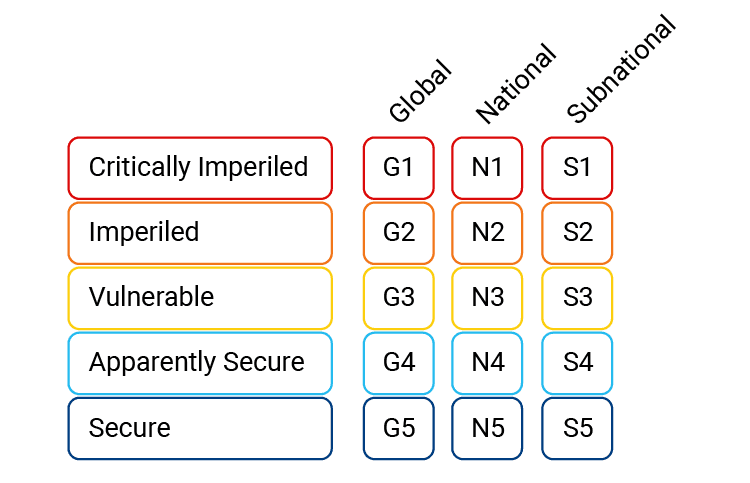
We learned from Knapp that Single Site Endemics (SSE) are disproportionately becoming extinct. Within the SSE group is another subset of plants with One Known Occurrence (OKO). Currently, California is the state leading in plant extinctions with 78 SSE.
The Morton Arboretum
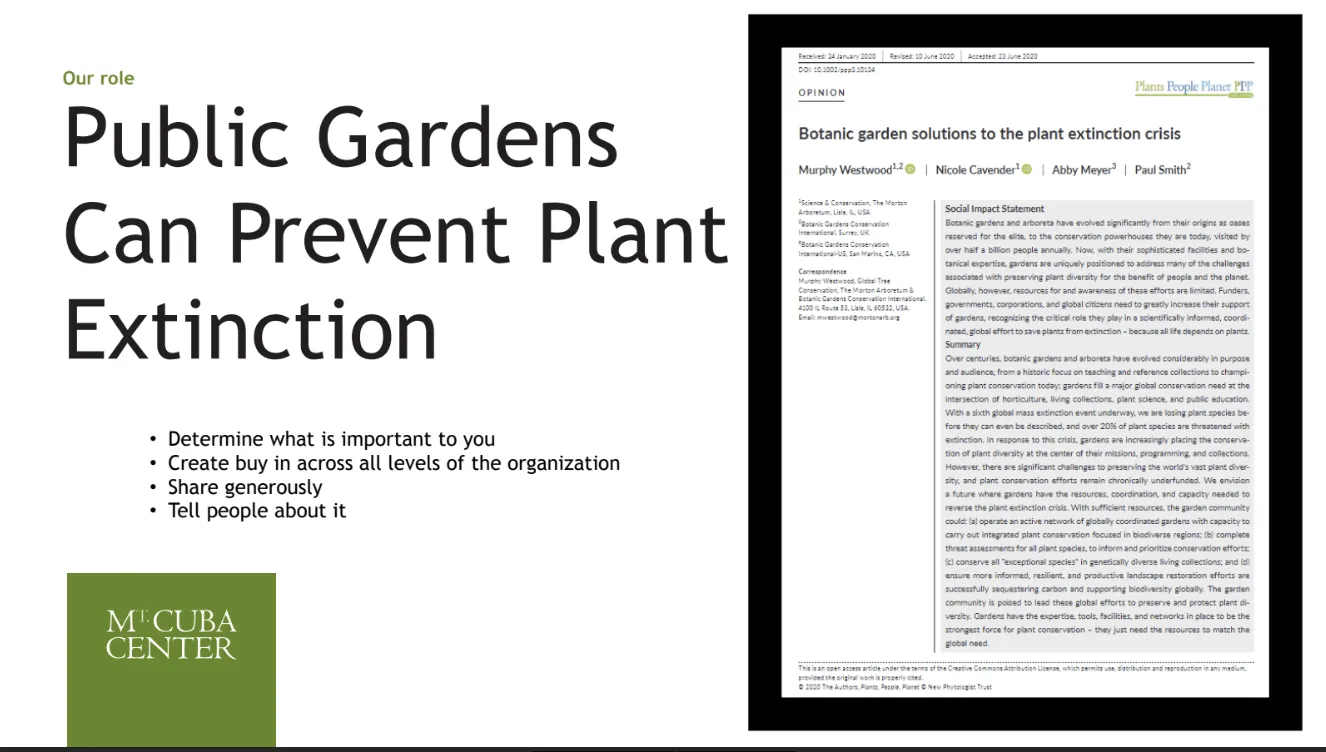
Murphy Westwood of the Morton Arboretum spoke about the Global Tree Assessment (opens in a new tab), launched with BGCI and NatureServe in 2015, as well as the disparity between the number of threatened North American tree species published to the IUCN Redlist versus those on the list issued by NatureServe. Westwood also shared with us a recently published research article titled, Data Sharing for Conservation: A standardized checklist of US native tree species and threat assessments to prioritize and coordinate action (opens in a new tab), in which she is a cited author. The paper includes a checklist of all native tree species in the contiguous U.S. (opens in a new tab), along with their state distribution, extinction risk, and most common threats.
Mt. Cuba Center
Mt. Cuba Center’s Director of Collections and IrisBG user, Amy Highland, covered the topic of Curating Conservation. She explained the importance of maintenance, the continual observation for protection, and having dedicated people to carry out these tasks. Highland emphasized the importance of reporting within the organization, partnerships, future decision-making, and the awareness of plant species that cannot be seed-banked.
She wrapped up her portion of the presentation with the following take-away:
- Coordinate Stakeholders
- Complete Threat Assessments
- Remove Invasive Plants
- Provide education on invasive species alternatives
- Education Department
- Outreach
- Scientists
- Horticulturists
How visitors can take action
- Conservation by addition
- Join with experts
- Advocate for public gardens
- Donate to a collaborative plant saving project
- Use best urban forestry practices
- Create healthier soil conditions
- Transition turf to garden
From the Ground Up: Building Field Collection Strategies for Data Driven Conservation
Another valued member of the IrisBG community! Jessica DeYoung, Horticulture Manager at Naples Botanic Garden, gave a fantastic presentation, a guide for gardens interested in starting a conservation program. DeYoung took the audience through the necessary steps to evaluate what data is needed, who to collaborate with, and how to analyze the data. By completing each one of these steps, gardens can increase biodiversity and align with the Global Strategy for Plant Conservation (opens in a new tab).
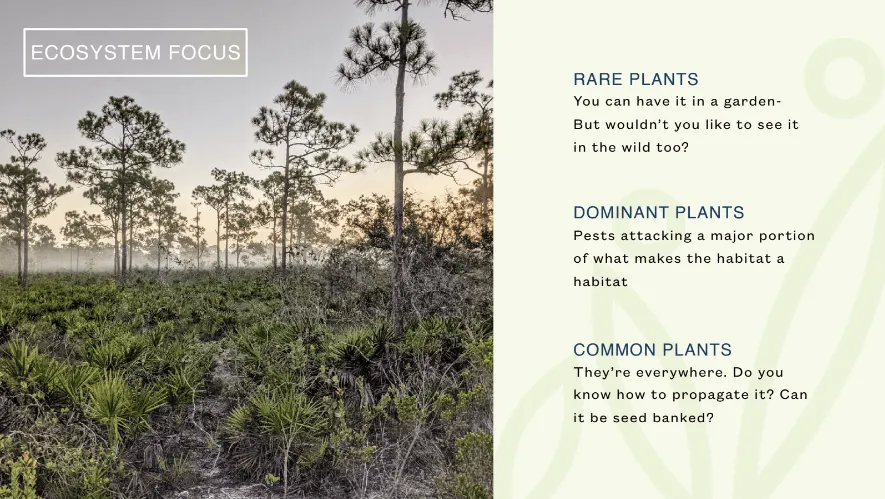
DeYoung’s approach to plant conservation involves focusing on ecosystems to determine when to initiate a restoration project and she cites the Center for Plant Conservation (CPC) (opens in a new tab), Global Strategies for Plant Conservation (GSPC) (opens in a new tab), and Botanical Garden Conservation International (BGCI) (opens in a new tab) as trusted resources. The Institute for Regional Conservation (opens in a new tab) is a local resource used by Naples Botanical Garden. DeYoung stressed the point that, though common plants are more widespread, we do not really know how long they are safe from becoming threatened species. Conservation should start long before it is needed.
For flora conserved ex-situ at Naples Botanical Garden, if a species is located in three or less locations, the plant is considered underrepresented. Monitoring plant phenology is a significant part of De Young’s work. In doing so, population representation can be more clearly seen, and gaps can be accurately identified.
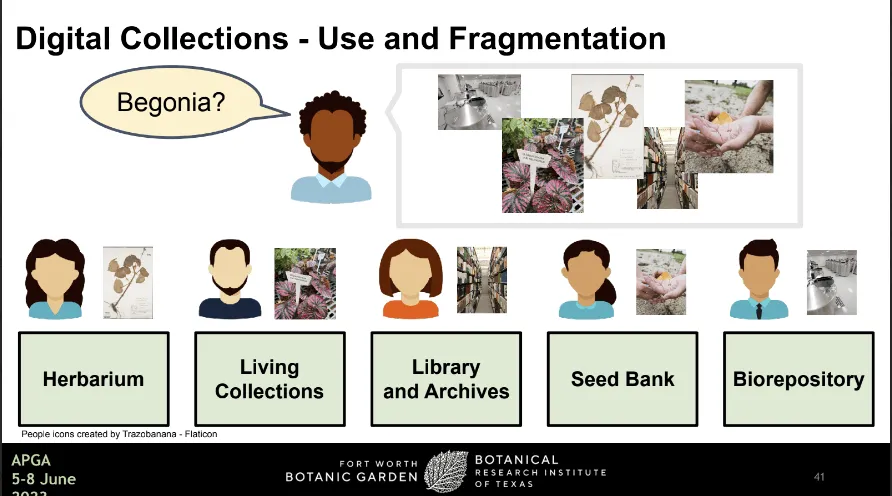
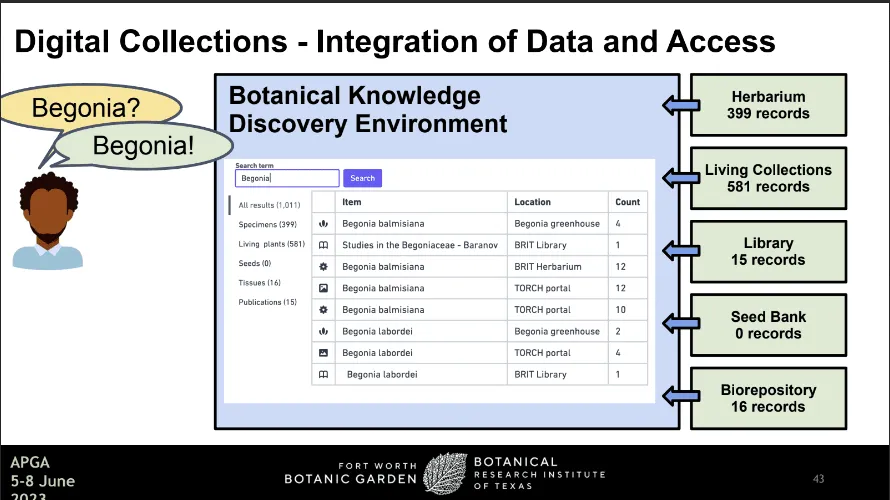
The Fort Worth Botanic Garden and the Botanical Research Institute of Texas has a massive data merger in the works. “Collection Use, Integration, and Access at FWBG/BRIT” posed the challenge to the community on how to accomplish this monumental task.
Photos
Fort Worth Botanic Garden
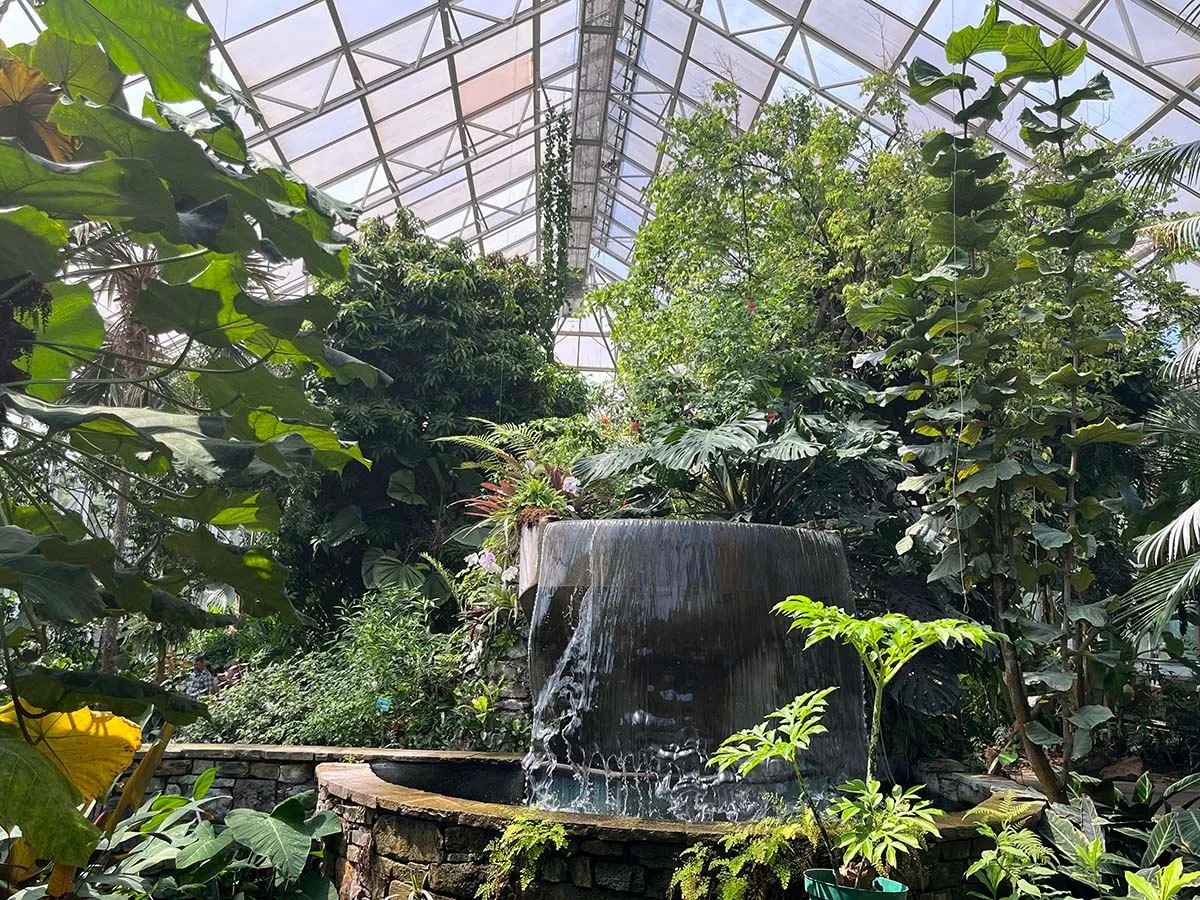
The Rainforest Conservatory @ FWBG
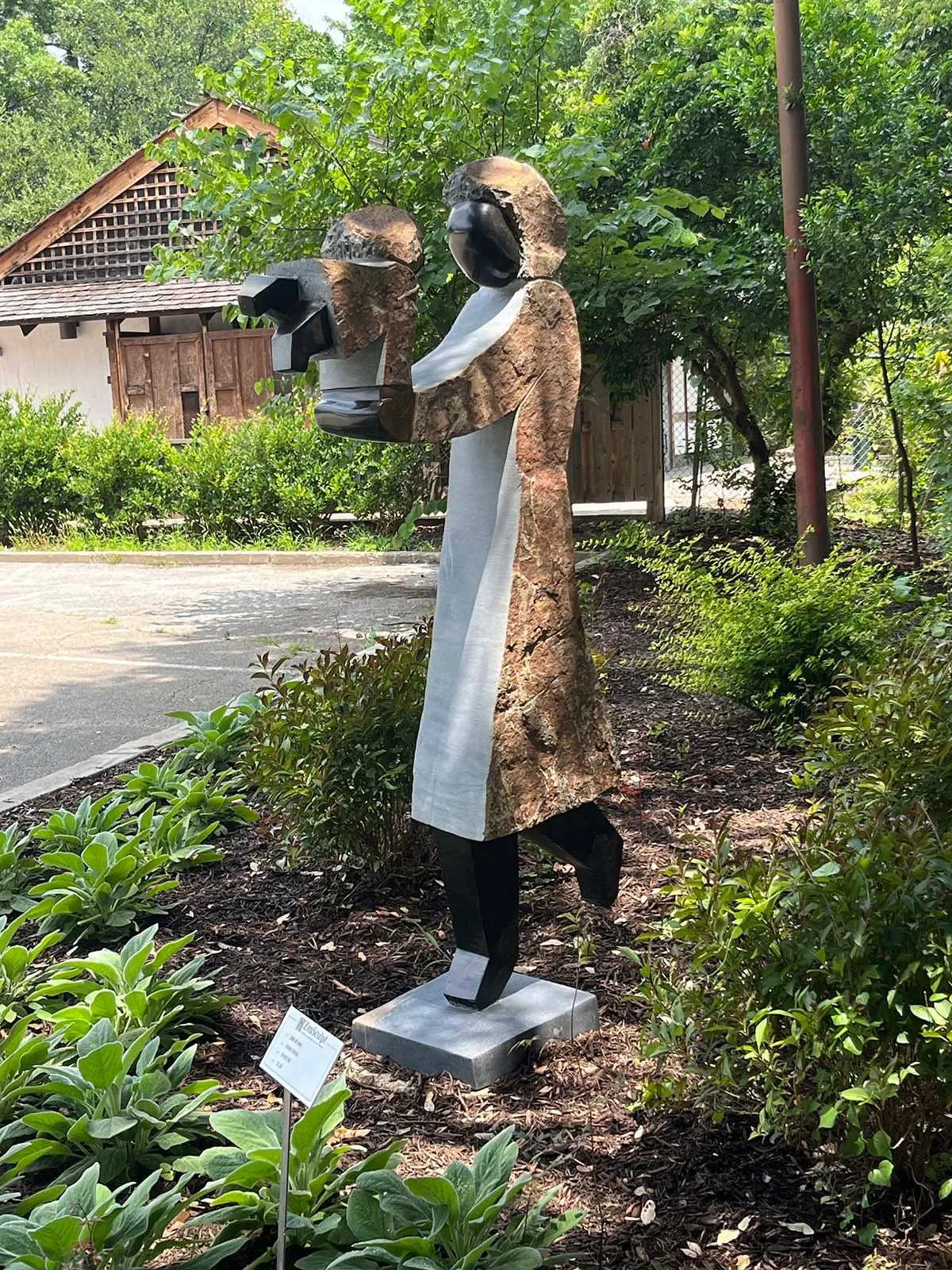
Zimsculpt @ FWBG
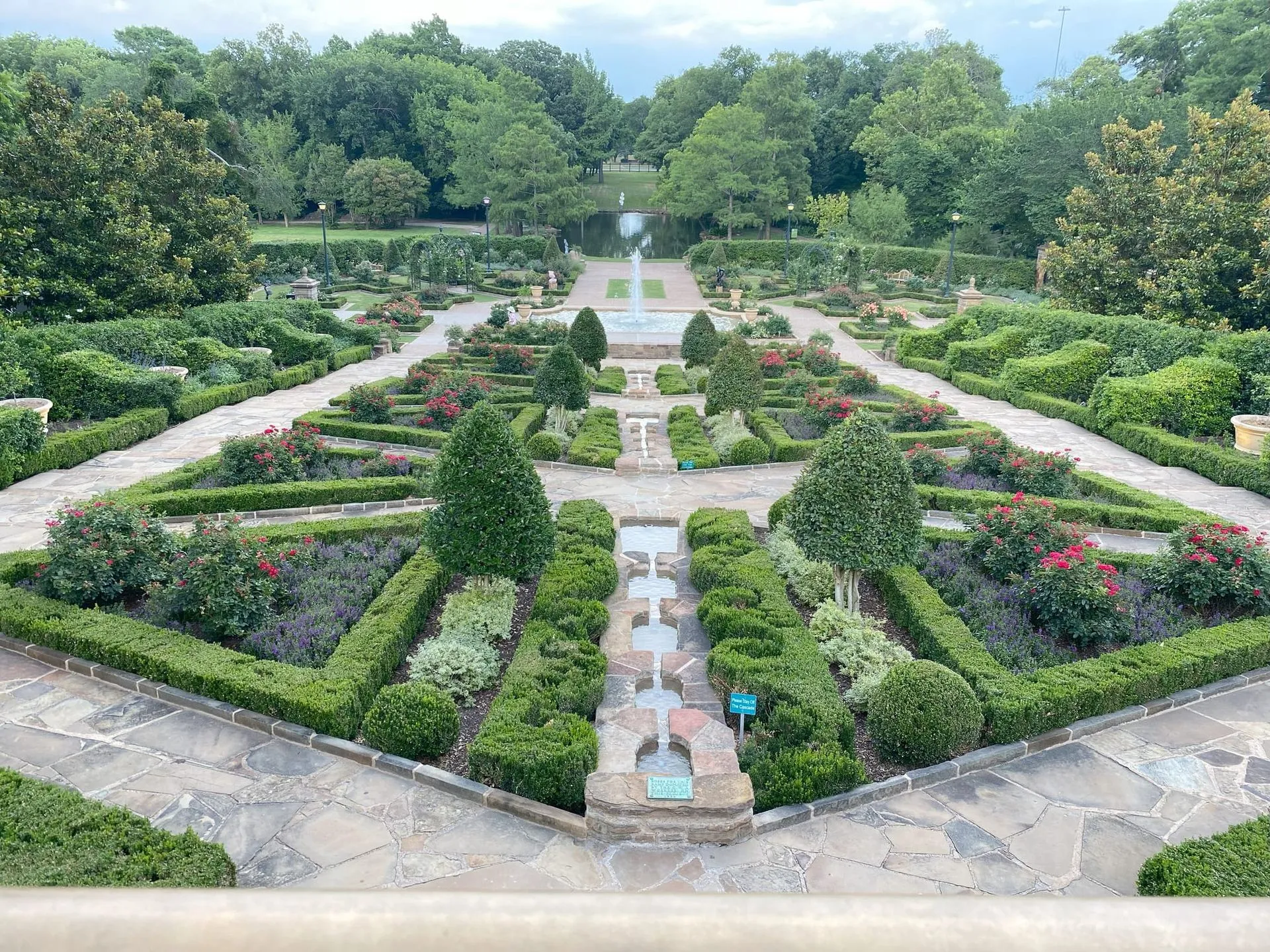
The Lower Rose Garden @ FWBG
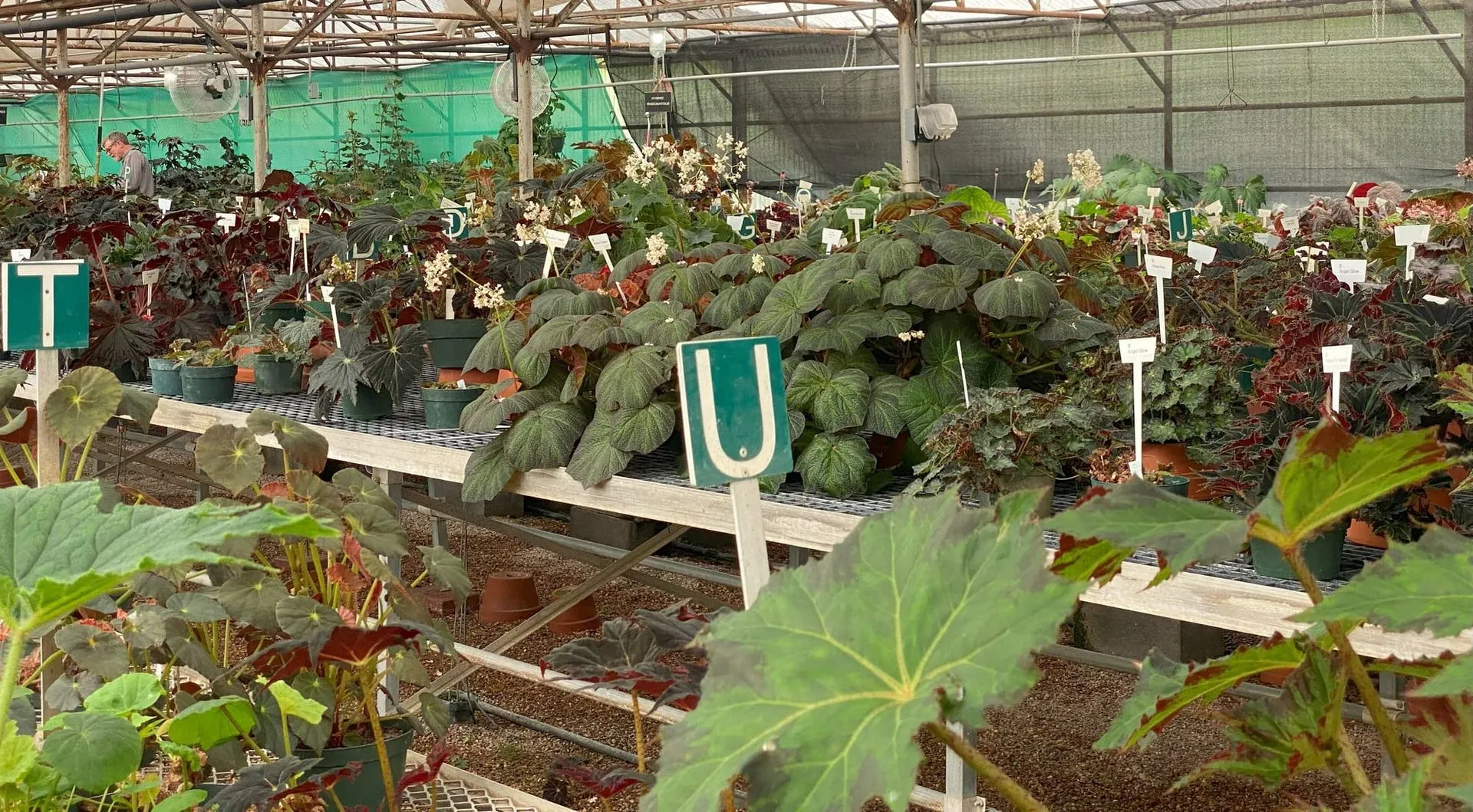
The Begonia Species Bank @ FWBG
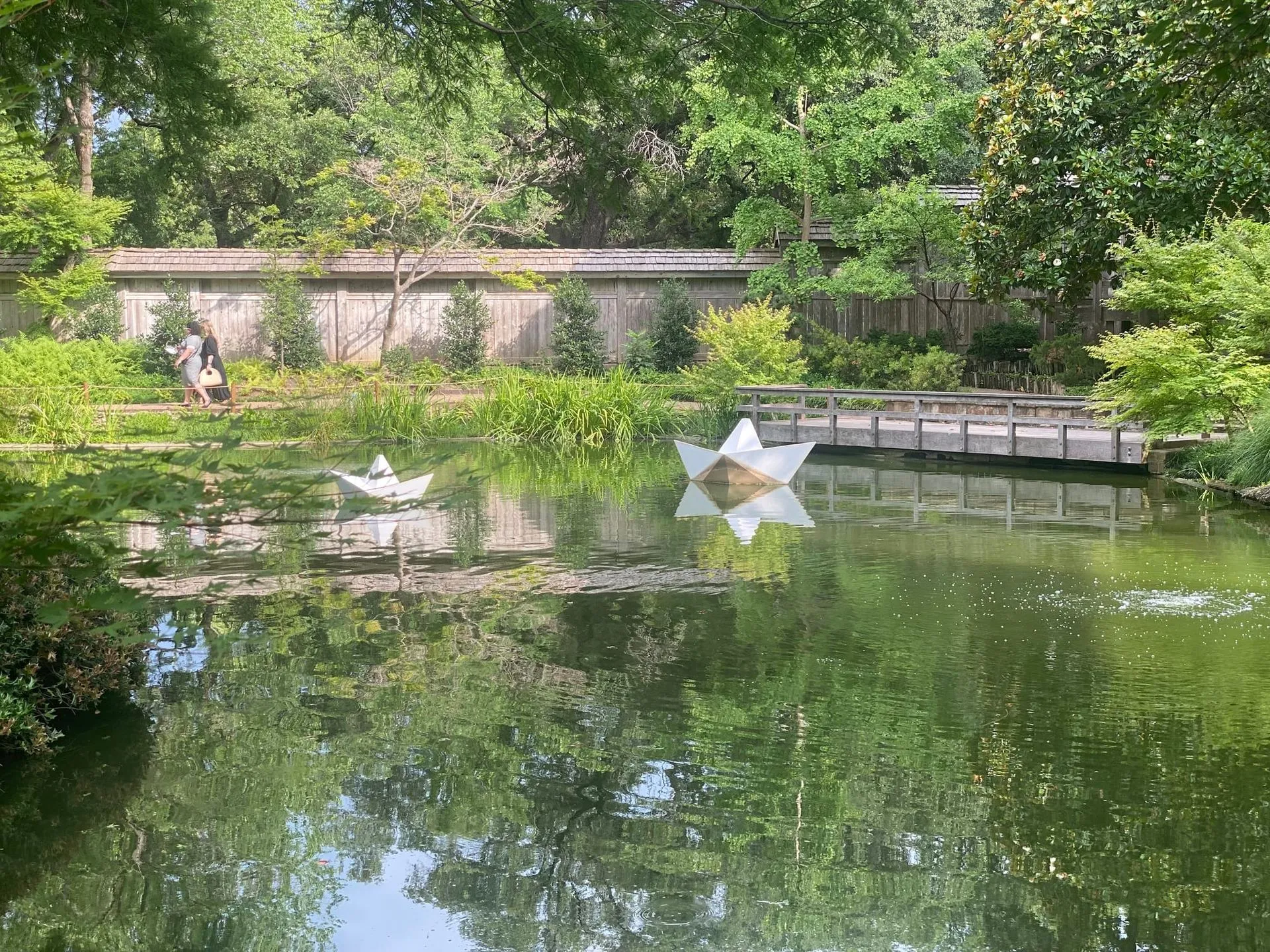
The Japanese Garden @ FWBG
Dallas Arboretum
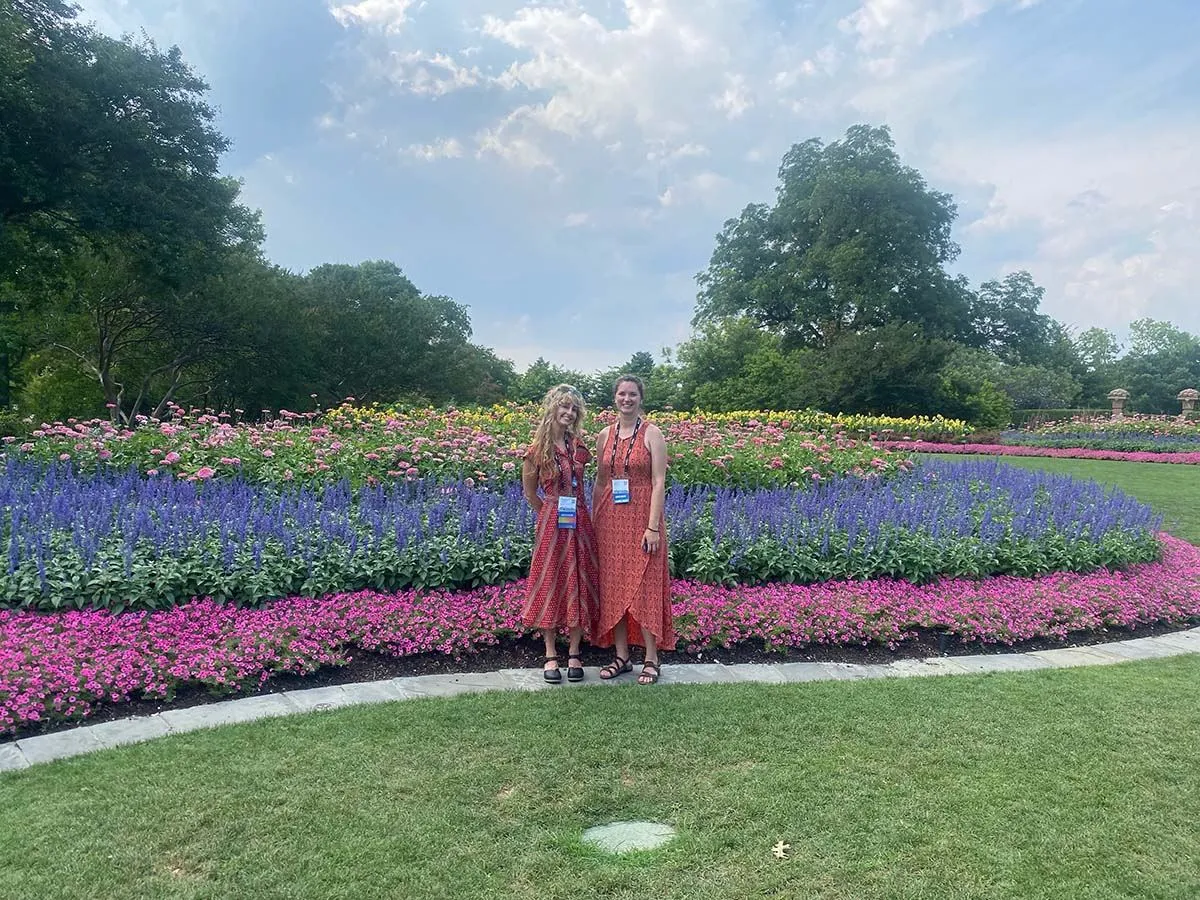 Margaret Elizabeth Jonsson Color Garden @ Dallas Arboretum
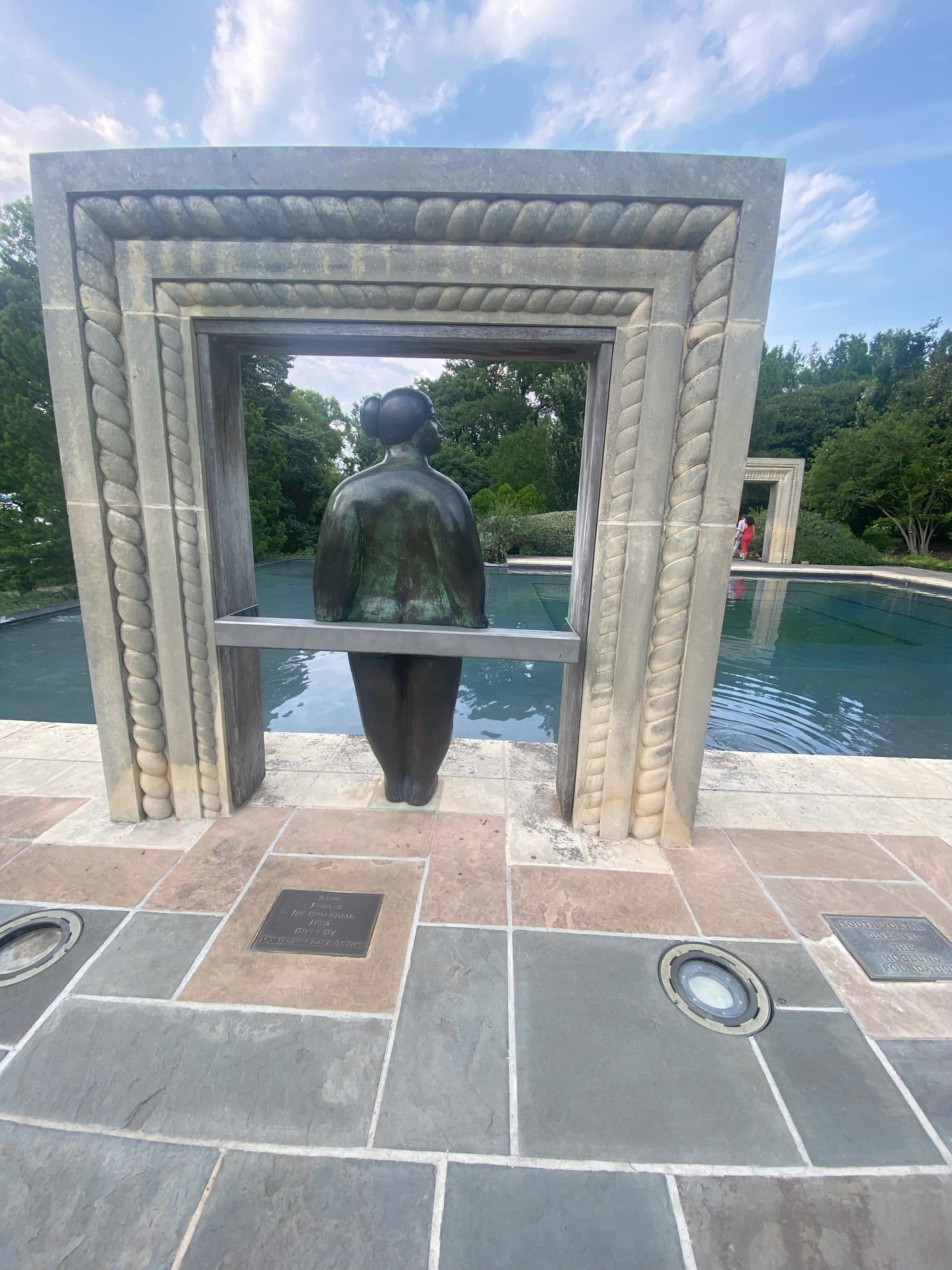
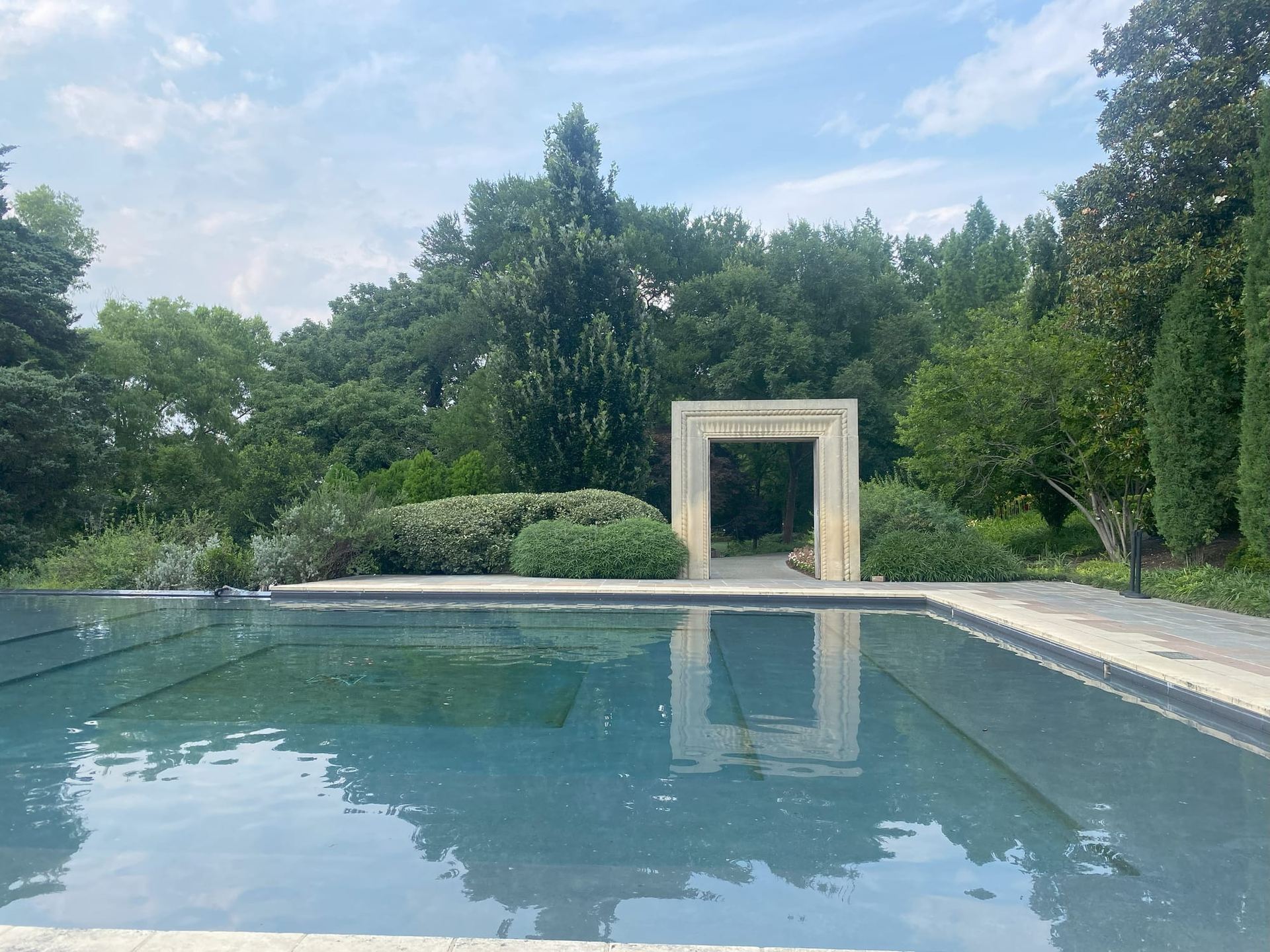
A Woman’s Garden @Dallas Arboretum
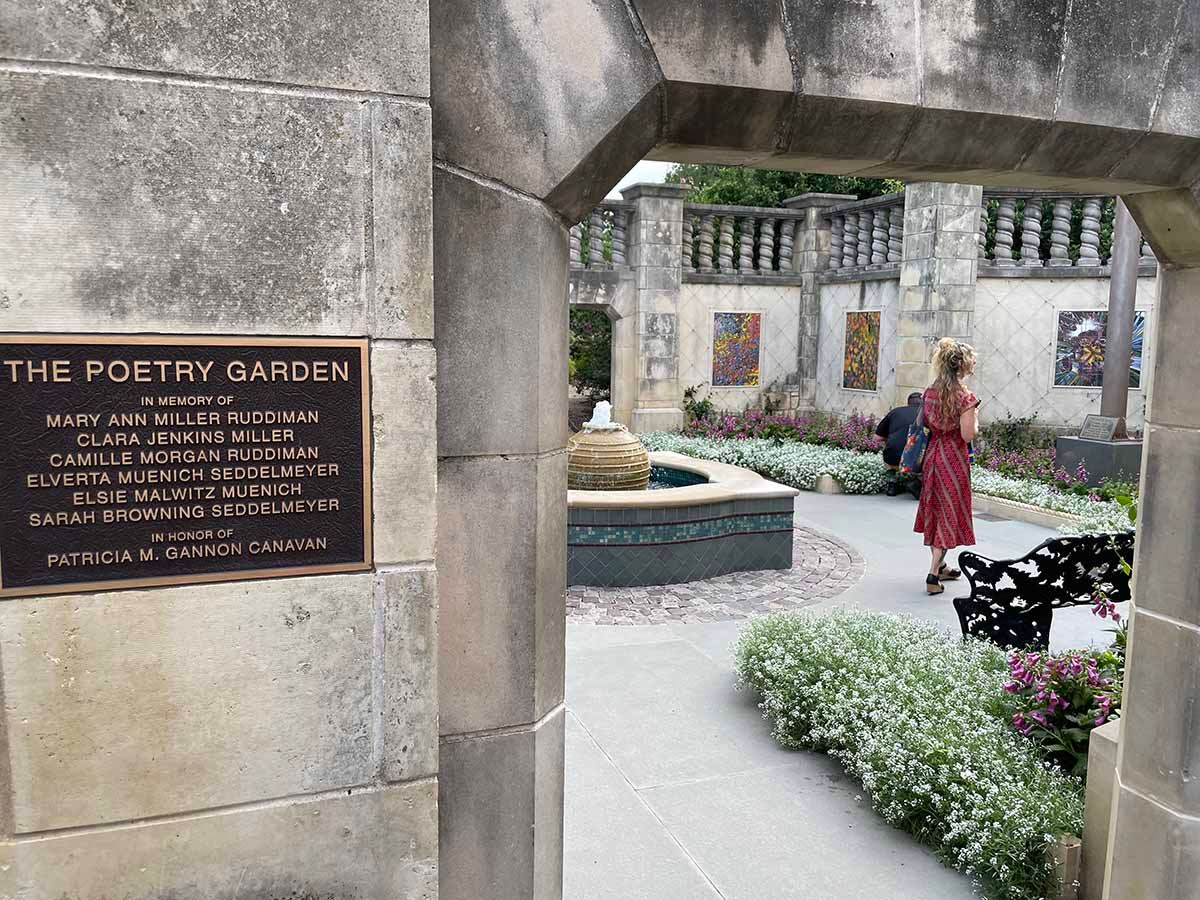
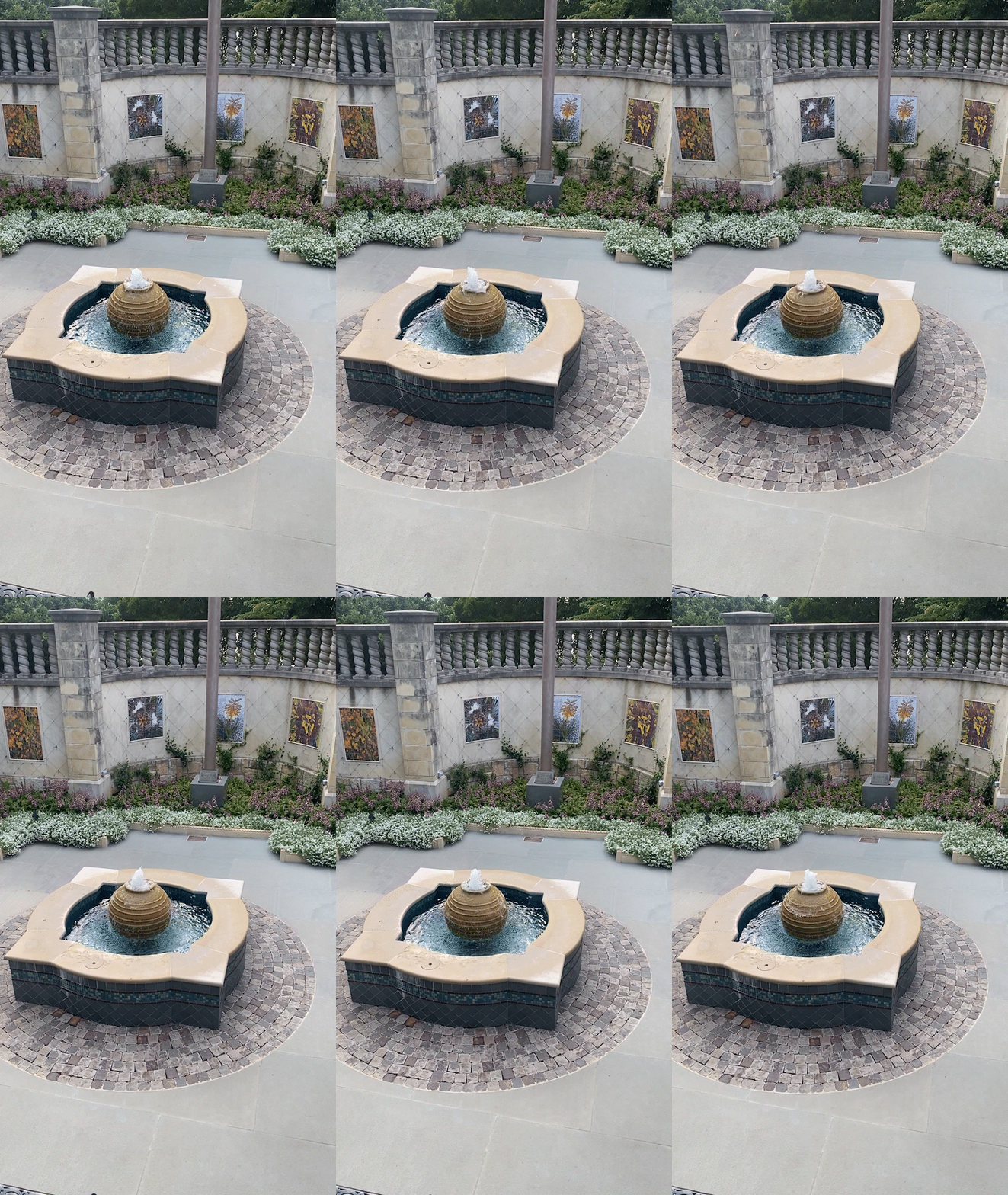
The Poetry Garden @Dallas Arboretum
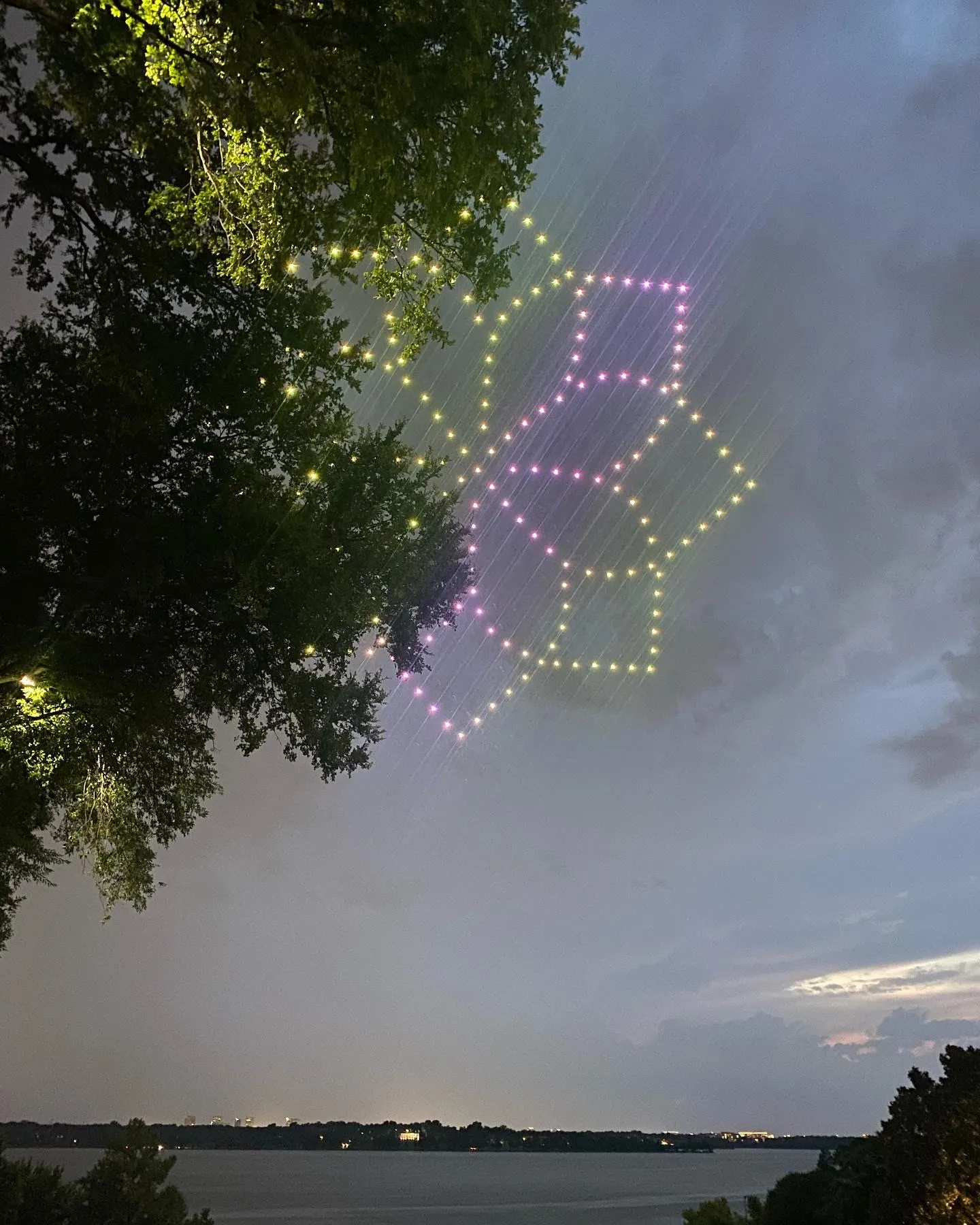
The Grand Finale @Dallas Arboretum